
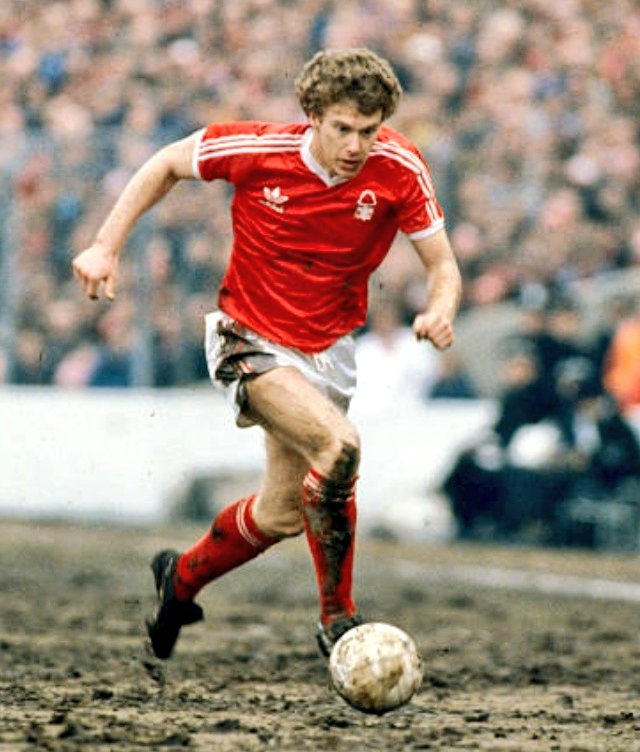
“I’ve always said Kevin Keegan is overrated,” my father once said, as my MUFC-supporting neighbour predicted his departure would see Liverpool decline. Both were wrong: Liverpool brought in Kenny Dalglish and rose to new heights; Keegan was twice European Footballer of the Year and is if anything historically underrated.
I have written before about my Dad’s strange sporting biases – a supposed Liverpool fan who seemed to advocate against them in most games we watched together. Ian Rush, Alan Hansen, Phil Neal and even Graeme Souness were among other LFC legends he declared not as good as others claimed. Strangely, Irish internationals Steve Heighway, Ronnie Whelan and Mark Lawrenson were the main men (though even he had to acknowledge Dalglish’s brilliance). Given that these were the views of a man who had fiercely declared that “if you put those two Irish teams together, you’d have a team that would take on the world” – I think there is at least consistency of view. (I’m sure Maradona, Socrates, Platini, Rummenigge et al would have been terrified at the the thought of a team containing both Noel Brotherston and Kevin Moran.)
But just looking at those names in the paragraph above, I realise I remember all of them as incredible footballers mostly better than what the Premier League of today has to offer (ok, probably not the last two). There is no doubt that the Premier League has taken football hype to previously unseen levels: its hyperventilating promoters tend to see its launch as a kind of football year zero where records began (it was just a rebrand, lads). It’s also the case that people who attack Souness for criticising Paul Pogba on the basis that Souness was a lesser player are barking mad – he was twice the footballer Pogba is. But does that classic ‘year zero’ ignorance have a reverse? Do we in fact remember the footballers of our own youth over fondly, just as we criticise younger fans for believing the hype about the current generation of players?
In other areas of life, we definitely have a tendency to do this. Most people seem to regard the music of their teens and twenties as a kind of golden age. We often hear “they don’t make ’em like that anymore” praise for old TV shows. And there’s even a weird nostalgia for politicians of the past in some circles, though that may genuinely reflect how far standards have fallen.
Falling standards, you see, is where it’s at. As we get older, we often seem to think things are getting worse, or at least that they are not as good as they were when we were younger – and presumably happier and less stressed. We deride mobile phones, social media, You Tube and even the ease with which kids can find things on Google. It could be argued that these advances have not all universally improved the human experience, but the “not in my day” perspective can skew world views in the strangest ways.
So to football. I do (of course) think that all of the Liverpool players on that list – including my Dad’s picks – were exceptional. Many, like Keegan, are underrated historically. And the four superstar names at the end would have been giants in any football period. I also recognise it is difficult to compare athletes across eras in which technology, training, diet and facilities have changed vastly. But there are other players I look back on as remarkable who probably weren’t. Was Joe Corrigan really a shoo-in to be England goalie in any era apart from the Clemence and Shilton one? Was Alan Kennedy – who was kept out of the England team by Mick Mills of Ipswich – really a great full back or did he just score some huge goals? Were the likes of Mills, Steve Perryman, Bob Latchford, Tony Woodcock and (sorry, Dad) Norman Whiteside any more than pretty good players?
It is easy to forget the reverse effect of the hype: ex players were not subjected to anything like the same scrutiny. We didn’t see all their games – and mistakes – on TV every week. We didn’t have whole TV shows, websites and internet channels dedicated to analysing every last detail of every game and player. Everything was viewed through the cosy Match of the Day highlights reels, with a little bit of comment but nothing like the industry of opinion and hot takes modern players have to deal with. And that’s before we get on to players being criticised in person on social media (often by people who have never set foot inside the club they claim to support). If you look at the recent struggles of, say, Harry Maguire or Trent Alexander Arnold, it’s impossible not to recognise the impact of media and social media, the narrative being shared daily with the player himself. One day Trent has revolutionised his position and is the best current English footballer; the next he should be dropped.
Another word from my Dad at this point. “You see Bobby Charlton goals and say what an amazing player. Actually, he tried those shots about ten times a game and most of them went 30 yards over the bar.” This may be typically harsh and biased – Charlton was known not to get along with George Best (who of course my father regarded as the greatest footballer ever, bar none). But the claim is illustrative, even if my Dad himself would only rarely have seen Charlton play 90 minutes. Highlights reels, big live games and above all rose-tinted memories definitely play a part in our memories of former players – even if industrial-level hype might inflate opinions of the current crop.
There are two sides to the story. We may well remember some players as better than they were, aiding our perception that current players (and the current game) are overstated. Equally, that perception is itself accurate, as broadcasters and other media continue to sell the Premier League as if it were the start of football rather than a new name. As in other areas of life, the reality is somewhere in between: every era has its share of brilliance and mediocrity – and people will often argue for their own halcyon days and figures as the best ones.
 Rory writes