
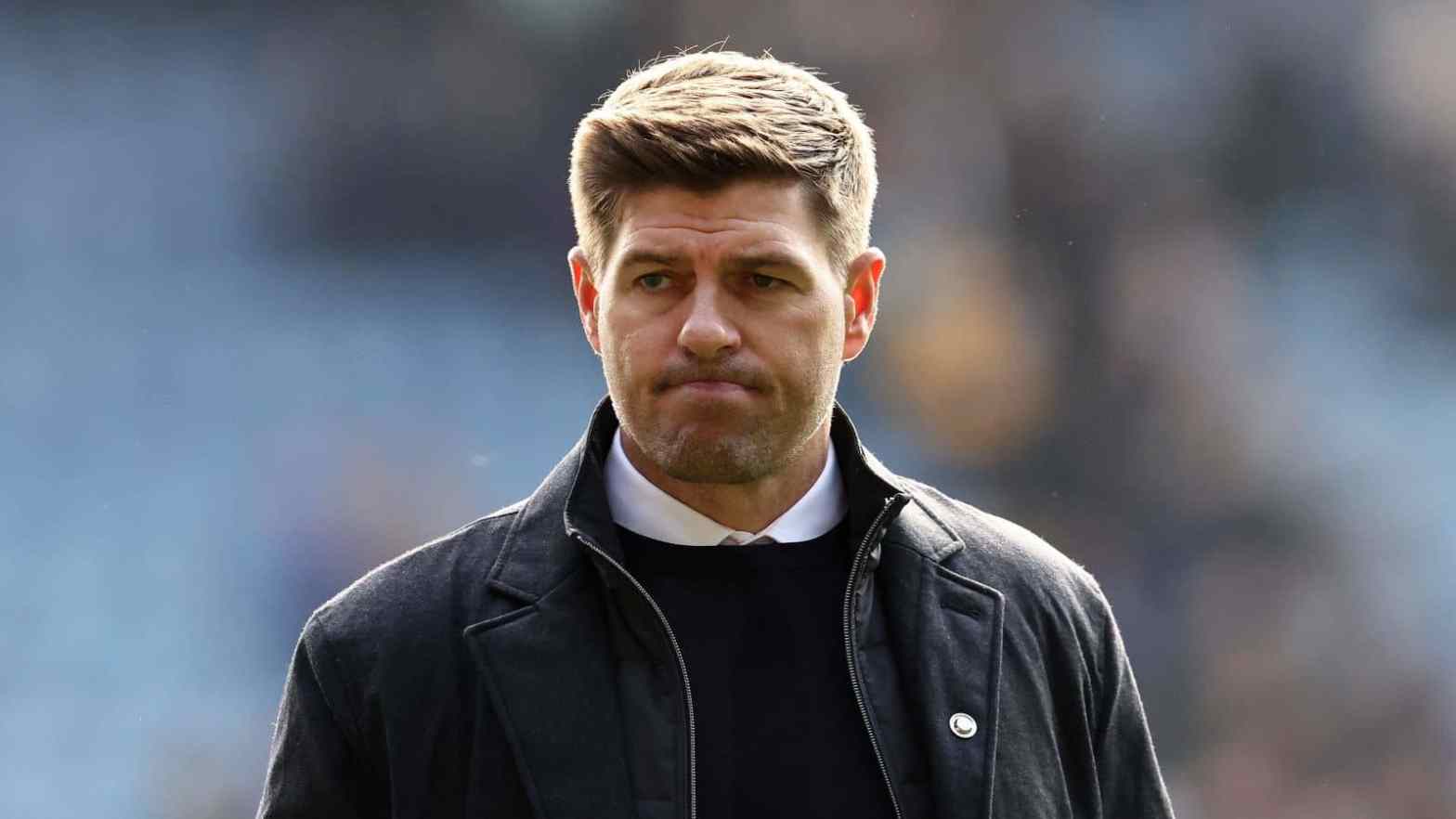
Steven Gerrard’s dismissal from Aston Villa was no surprise in the end, after an abysmal start to the 2022//3 season. Once again, a manager who swept to Scottish titles with one of the two Glasgow clubs has come up short on the much harsher terrain of the Premier League. While it is way too early in Gerrard’s managerial career for obituaries, speculation about a future return to Liverpool as successor to Jurgen Klopp looks more of a pipe dream than ever.
Gerrard’s reputation may yet recover, but it is striking how many top players – especially those lauded as leaders on the pitch – never quite cut it as managers. English pundits and journalists have a terrible tendency to hype certain types of ex players as the men to ‘sort out’ a club in difficulty. The original Captain Fantastic, Bryan Robson, has many heirs in great players who were not great coaches – Roy Keane, Alan Shearer, Tony Adams and Stuart Pearce among them. Graeme Souness, like Gerrard, was a huge success at Rangers before failing spectacularly on his own return to Anfield and going on to become a middling Premier League manager. Frank Lampard might have ‘got’ Chelsea but he couldn’t get them winning much. Like Gerrard, Lampard may go on to better things – but the early signs at Everton and his previous efforts at Derby are hardly Earth shattering.
It’s not completely clear why punditry reverts to the stereotype of the great influencer on the pitch being as effective off it. Modern football coaching is not about shouting at players and telling them to get their act together – if indeed coaching was ever about that. Alex Ferguson may be the last ‘old style’ manager with a disciplinarian streak to taste success, but his management incorporated kidology, bravado and inspirational coaching as much as hairdryers. Remember how people mocked the seemingly taciturn football intellectual Arsene Wenger before he led Arsenal to an era of unprecedented success – how would this man control a dressing room with the likes of Adams in it? With great aplomb, as it turned out.
So much football coverage still revolves around “man’s game” cliches. Every week, Roy Keane opines about players in whichever team he has just seen losing not trying hard enough. Souness is cut from the same cloth. Listening to them as pundits – while their analysis is entertaining – you can start to see why maybe they weren’t top managers. Modern players are a different breed, with different needs and expectations of their coaching staff – so even if the “get out and there and play” approach ever worked, it’s unlikely to do so now.
I’m not saying for a minute that that is the approach of Gerrard and others. But is is implicit in what some pundits and reporters say that that is all that is required. And of course it is way easier to talk about football with passion and than it is to manage an actual team, as I’m sure Gary Neville would testify.
There is nothing that any of the great on-pitch leaders above have done as managers that marks them out as special – in most cases, they have been unsuccessful. It may even be that great players do not often make great coaches, as so much came so easily to them as footballers. But pundits need to stop hyping particular types of footballer – usually English – as the next superstar coach. If Gerrard had led Villa to the Champions League places, he might have been a contender for the Anfield hot seat. Beyond that, his only qualification was having been a great player there – much like Souness before him.
 Rory writes