
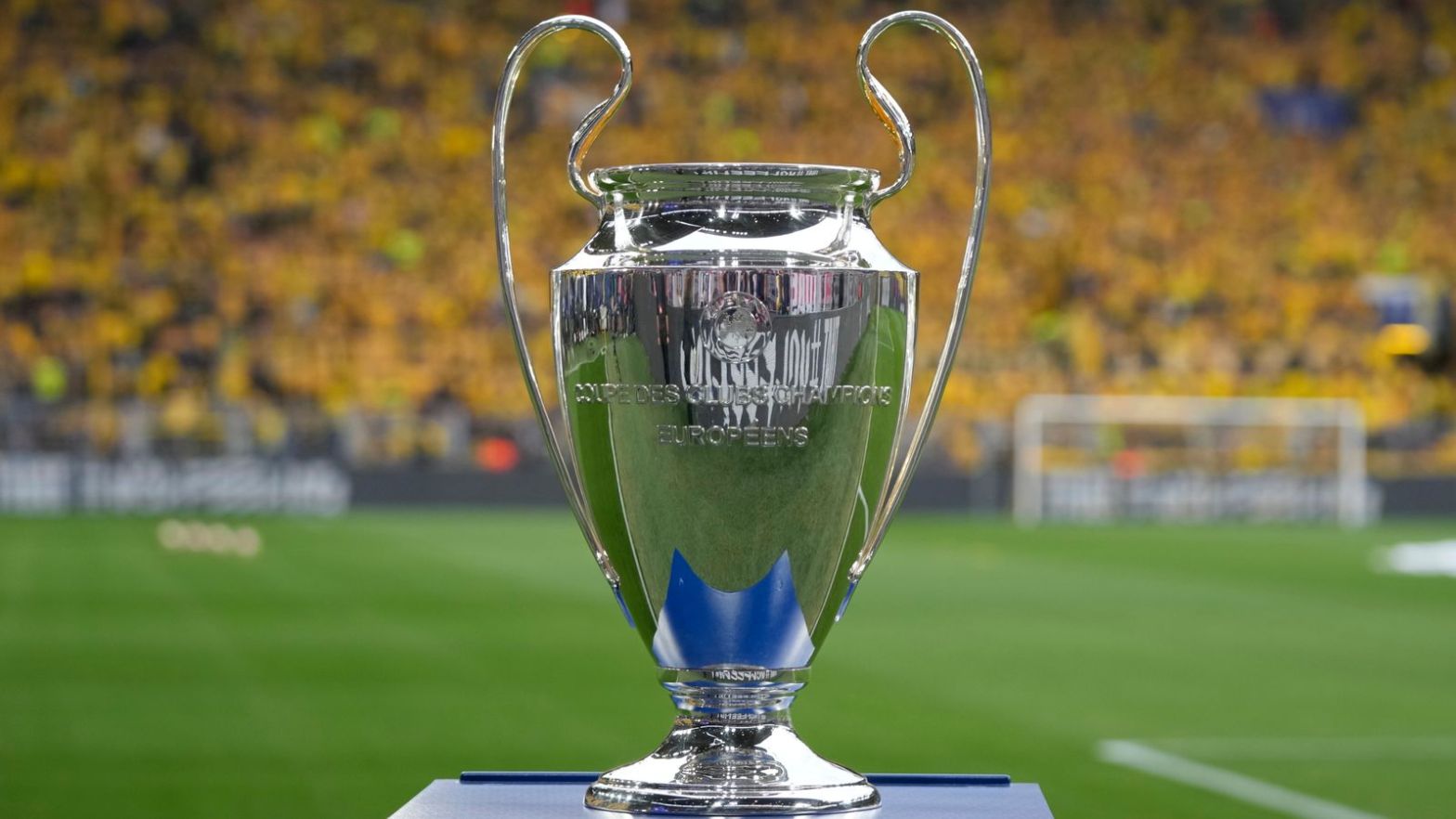
The Champions League – successor to the old European Cup, in which the champions of each European country competed to be champions of Europe – had a controversial start. The inclusion of multiple teams from the same countries gave the lie to its name: it was no longer made up of champions. You could finish third or fourth in your league and still be declared European champions a year later. The format favoured the ‘stronger’ nations with multiple places and as it became a cash cow for those teams, it entrenched and deepened inequality as the rich got richer, weakening competition in domestic leagues as well as European competition. Like the Premier League, it was a takeover by the money men, driven by global TV and advertising revenues over the needs and preferences of match-going football supporters.
All that said, it was a huge success both on its own terms and in terms of high quality football and drama. It became without question the highest level of elite football – streets ahead of the World Cup in terms of quality – and it served up some impossibly exciting ties which never seemed to be over. Witness Real Madrid v Man City, the Man United-Bayern Munich final in 1999 (“Football, bloody hell!”) and the dramas closest to my own heart, that crazy final in Istanbul in 2005 or Liverpool’s even more impossible comeback against Barcelona in the 2019 semi.
It was, to coin a tiresome phrase, box office. It was true that the group stages were at their most exciting when there was a big match up or we had reached the stage of teams potentially going out. But in eight groups of four teams, all playing each other home and away, it did feel like most games mattered to some degree. A couple of disappointing results could very easily see a team exit the competition.
It seems incredible that you can have this near perfect , high quality competition – from the often tight group stages to the drama of the knock out rounds – and somehow contrive to make it boring. But that is what UEFA – and greedy big clubs who couldn’t make their ill-conceived dream of a European Super League happen – have managed to do.
We now have a single group of 36 teams, who don’t even play against each other but all play eight games – eight games – against different levels of opponent, at home or away. The upshot of that drawn out process is that a mere 12 of the 36 teams are eliminated. The top eight of in the so-called ‘league’ go through the the last 16 while the remaining 16 teams compete for a place in it via further knockout round. It’s a good job players and coaches aren’t already complaining of too much football leading to burnout.
The effect of the new format has immediately become clear: too many games, too little jeopardy. Man City dropping a point at home to Inter might have shaped a group in the old world: in the new one, they have 7 more games against random opponents and would have to perform quite badly – maybe even at the level of their Manchester neighbours – to find themselves at any risk of going out.
The Champions League has given me some of my best moments as a fan, but even I opted out of watching Liverpool win against tough opponents in Leipzig last week – I had a better offer and Liverpool winning their first three games, while impressive, doesn’t especially raise excitement or expectations in such a drawn-out competition. The whole thing feels moribund, even if we are talking Liverpool playing Madrid or Arsenal meeting PSG – it has none of the risk or rhythm of the old group stages and losing a game here or there probably won’t matter. If the aim was to create more excitement, more dead rubbers seems to be the outcome.
Part of the problem is that, contrary to what Real Madrid and Barcelona think, most fans don’t want endless match-ups against them. Those big European ties were always a garnish on top of the week-in week out rivalries of the domestic leagues. It might be the case that the Champions League-enriched teams have become tiresomely dominant in their own countries, but one reason a European Super League doesn’t quicken the pulse of anyone but TV executives and people who never go to games live is that fans are a critical part of the spectacle. And most of them don’t want to spend their lives and earnings travelling across Europe to watch their teams. As an occasional treat, European football is great, but we don’t crave it every week.
Of course, the audience for the Champions League is overwhelmingly a TV audience and that audience exists way beyond Europe. The target for all of these bloated tournaments – the new European competitions, the expanded World Cup, the abomination that is the new Club World Cup and the beyond pointless international Nations League that so tediously disrupts our domestic games so frequently – is televisual. The revenue comes from TV companies and advertising, not match-going supporters. As an almost exclusively armchair fan these days, maybe I should be pleased. But I’m not. I’m bored. Bored of too much football and depressingly aware that ludicrously packed schedules will severely dilute the quality of the product and lead to more injuries and burnout.
Whether this sentiment is shared by TV audiences in countries where most fans never attend European football matches in real life may be a factor in whether the dreary new format persists. If TV viewers switch off owing to the interminable games without consequence, TV execs will soon reconsider what they are willing to pay. I don’t know whether most football fans want a diet of football without jeopardy – I doubt it, but maybe endless Madrid v City clashes have more appeal than I think. In the end, I find myself hoping that viewing figures for the opening stages collapse, as that may be the only way to force a rethink.
This week, Liverpool face Bayer Leverkusen, with Anfield legend Xabi Alonso returning to his old haunt as manager of the German club. Manchester City face Sporting Lisbon, managed by the man who will soon manage Manchester United. Two ‘box office’ games on paper, but the results will be nowhere near as consequential as they would have been if they were group games last year. I’ll watch the Liverpool game without that sense of defeat being near disaster or a win a huge step forward. It all feels just a bit too inconsequential. UEFA and the money men have made the Champions League not so much ‘box office’ as a bit dull.
Photo: Sky Sports
 Rory writes