
From believers to broken hearts

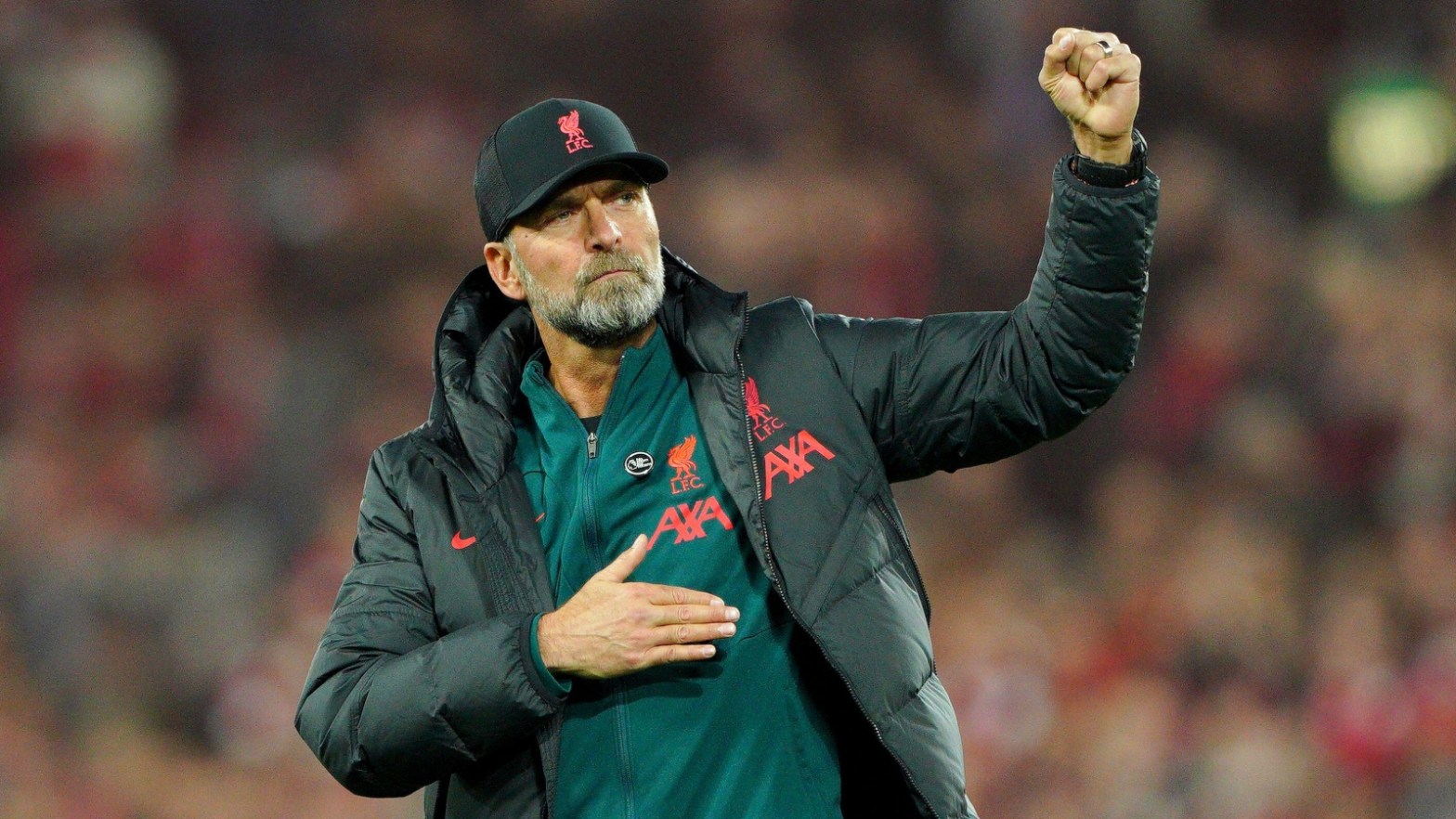
He turned us from doubters to believers…and then he broke our hearts.

Liverpool fans have long dreaded the day when Jurgen Klopp would depart Anfield. For the announcement to come out of the blue on a cold Friday in January – with the team flying again in all competitions – was a seismic shock. Klopp has seemed reinvigorated this season, his beloved “Liverpool 2.0” surprising pundits, supporters, possibly even the man himself with their swift return to the summit after a shaky season last year. He had previously delighted fans by extending his contract beyond his long-planned exit date of 2024. Now here he was, telling us that’s it, no more. He will go at the end of the season.

His reasoning is clear, sound and typically honest. “I am, how can I say it, running out of energy….I know that I cannot do the job again and again and again and again.” I mean, there were no obvious signs of that – he has been as animated as ever – but it will resonate with most of us, even in our more mundane and less high profile and rewarded jobs. The energy Klopp brings is a big part of who he is, of what Liverpool FC under his leadership has become. None of us has a limitless supply of resilience, not even this most remarkable of men.

Bill Shankly once said “I was made for Liverpool and Liverpool was made for me.” The same rings very true of Klopp. He was a perfect fit from day one. Not just his honesty, his wit or his enthusiasm – those are qualities that would suit most football clubs, especially when combined with absolute football genius. There is something about his emotion – both the heart on sleeve passion and the very way his teams play – that suits Liverpool FC as a club and was always going to endear him to its fanbase. 

You can keep (for me) the stultifying tika taka of Manchester City or peak Barcelona: all that back and forth, side to side football. Football is a game of emotions and that is how Klopp teams play – all high pressing, speed and going for the jugular. Tika taka is like progressive rock in comparison to punk. Or, as Klopp would express it, heavy metal. It gets you on the edge of your seat, rather than stroking your chin in admiration.

Of course Klopp’s fundamental decency, humour and intelligence play a huge part as well. He may lose his rag with referees, TV schedulers or even his own players and supporters. But away from the heat of battle, his kindness and his progressive view of the world shine brightly. Klopp is one of those football people who has ‘cut through’: non-football people know who he is and largely view him as a decent human being. You could see that in the reaction to news of his impending departure.

With what some might claim is our usual sense of perspective, Liverpool fans are treating this loss almost as a bereavement. In a way, it is. Something very special is about to die: I am honestly not sure if I will love football in quite the same way when Klopp is no longer manager of Liverpool. Will a Xabi Alonso or Roberto De Zerbi excite the same emotions, play with the same fire? It’s just too hard to think about right now.

All kinds of questions remain. Why announce it now, will it demoralise the players or see them ride to end of season glory on a tide of emotion? Why are the whole backroom team following him out the door (wasn’t one a potential contender for the job?)? Would Klopp have won even more at Anfield if he wasn’t competing in an era of sports washing and alleged cheating? But that’s all background noise. The man who brought the real noise is going and right now, that is a body blow that most of us are just struggling to take.

Whamageddon is for killjoys

“Ugh. I was in my favourite cappucino bar, reading Dostoevsky and enjoying my oatmilk latte, when it happened. Last Christmas came on the radio. It’s not even December yet, and I’m out.”

Is there any dullard greater than people who play Whamageddon? I mean, probably there are. But the combination of pretentiousness, musical snobbery, desperation to be seen as cool and sheer dullness feels like an unbeatable combo at this time of year. Think of Ebeneezer Scrooge as a tiresome, priggish sixth former and you are maybe half way there.

For the (lucky) uninitiated, Whamageddon is an annual borefest in which people compete to see who can last the longest in the festive season without hearing Last Christmas by Wham! Why, you might ask – isn’t it a perfect slice of Christmas pop and actually one of the best tunes in that genre? But that would be to misunderstand (again, perhaps fortunately) a whole group of middle-aged people who are still straining every sinew to be perceived as ‘cool’, even as the term itself is derided as a tad ‘Fonz from Happy Days’.

It’s not just Wham! Every year, the bores come out in force to tell us how much they hate Christmas pop songs. I mean, fine, nobody has to like everything. But a bit like the posturing from non-football fans during World Cups, there is a bizarre desire to shout from the roof tops about hating Christmas music. Whether it’s sardonic social media posts, rolling eyes in pubs or taking part in the try-hard fest that is Whamageddon, the naysayers are again way more vocal than they need to beColours to the mast, I love Christmas. The spirit and kindness of the festive season may feel fake, but it’s still nice to wallow in. And Christmas songs are basically the soundtrack: it’s no surprise that Christmas pop songs really became a thing in the Slade/Wizzard era after years of us being stuck with White Christmas. Christmas is basically glam rock: fun, excessive and enjoyable. And there’s something a bit wrong with people who don’t like glam rock. Something either downright miserable or a bit up themselves.

Of course, great Christmas tunes are not confined to the 70s – the 80s produced the afore-mentioned Wham! zinger, Band Aid and the daddy of them all, Fairytale Of New York. (Sad to think that the inimitable Shane McGowan really won’t see another one.) And there’s been some crackers since, even if the requirement for most British chart acts to churn out a Christmas song seems to have sadly disappeared.

Anyway, whether you worked in a shop that played Christmas tunes round the clock, whether you don’t like Noddy’s voice or whether you’ve never really outgrown being a pretentious undergraduate, if you don’t like Christmas music, that’s your loss. You’re not operating on some higher plane, even if you’re trying quite hard to. When the snowman brings the snow and puts a great big smile on somebody’s face, you’re the killjoy we’re all hoping to avoid.

Merry Christmas, everyone.

Not just another dodgy VAR call

What happened in the Tottenham v Liverpool game at the weekend was truly extraordinary. I’m not even talking about the shambolic refereeing or the team with 9 men only losing to an own goal in injury time. Yet again, it’s about VAR. But this time, we’ve reached a whole new lowpoint in the (mis)use of technology in football.

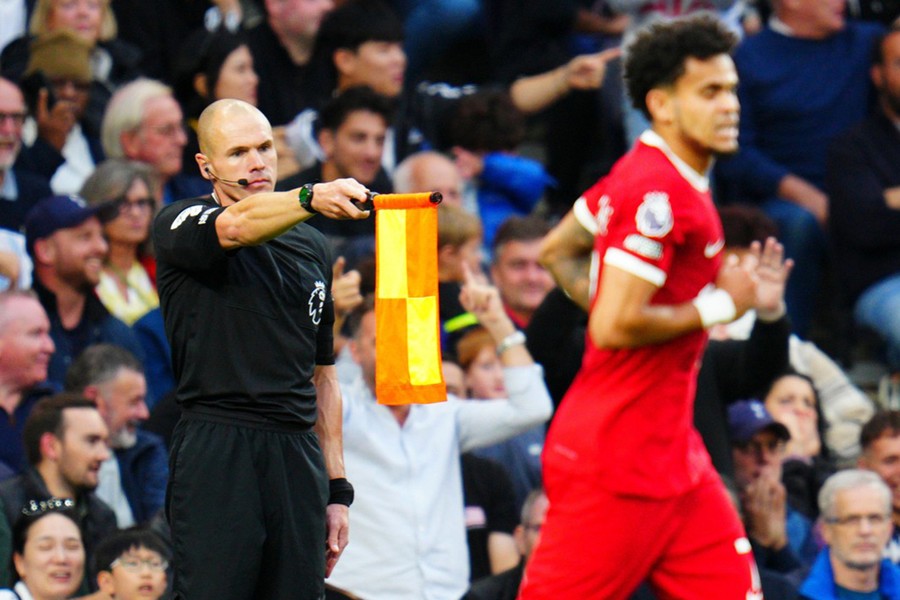
If Professional Game Match Officials Limited (PGMOL) are to be believed, the VAR team, led by Darren England, somehow missed the fact that the referee, Simon Hooper, had disallowed a Luis Diaz goal for offside. Yes, really. They missed the linesman’s flag, the lack of celebration and the caption saying CHECKING DISALLOWED GOAL. They thought the ref had allowed the goal and just said ‘Check complete’ – not ‘Actually, mate, he’s about a metre onside’. So the ref gave Spurs a free kick and the goal was ruled out. And the VAR team didn’t correct him. And then Spurs went up the other end and scored to compound the injustice.

This is absolutely beyond belief. It’s not, as a number of people seem to think, ‘just another dodgy VAR call’, something that happens to someone’s team every week . We are told VAR in fact made the right call, but failed to communicate it to the ref. It’s like a judge mishearing a ‘guilty’ verdict and telling the accused they are free to go, and nobody saying anything as the guilty party waltzes off home.

PGMOL need to release the audio to confirm such an incredible turn of events. And given the decision was so crucial to the match outcome – Liverpool would have taken the lead with ten players on the pitch due to a debatable red card – it needs full investigation and appropriate action. An apology won’t cut it. Liverpool FC are quite right to say that sporting integrity was impacted and that the whole thing needs to be looked at, including how the officials were appointed, given three of them had flown back from officiating a game in the United Arab Emirates the day before. We can’t just jump to a ‘human error’ verdict without looking into it properly.

I hate conspiracy theories and I don’t think this farce – or the terrible refereeing of the game overall – is part of some grand plan against Liverpool FC. But we would be daft not to recognise that it is the sort of thing feeds those narratives. And letting it pass with a shrug of the shoulders will see what little trust remains in officials evaporate entirely.

‘You’ll never walk alone… unless someone offers me shedloads of cash’

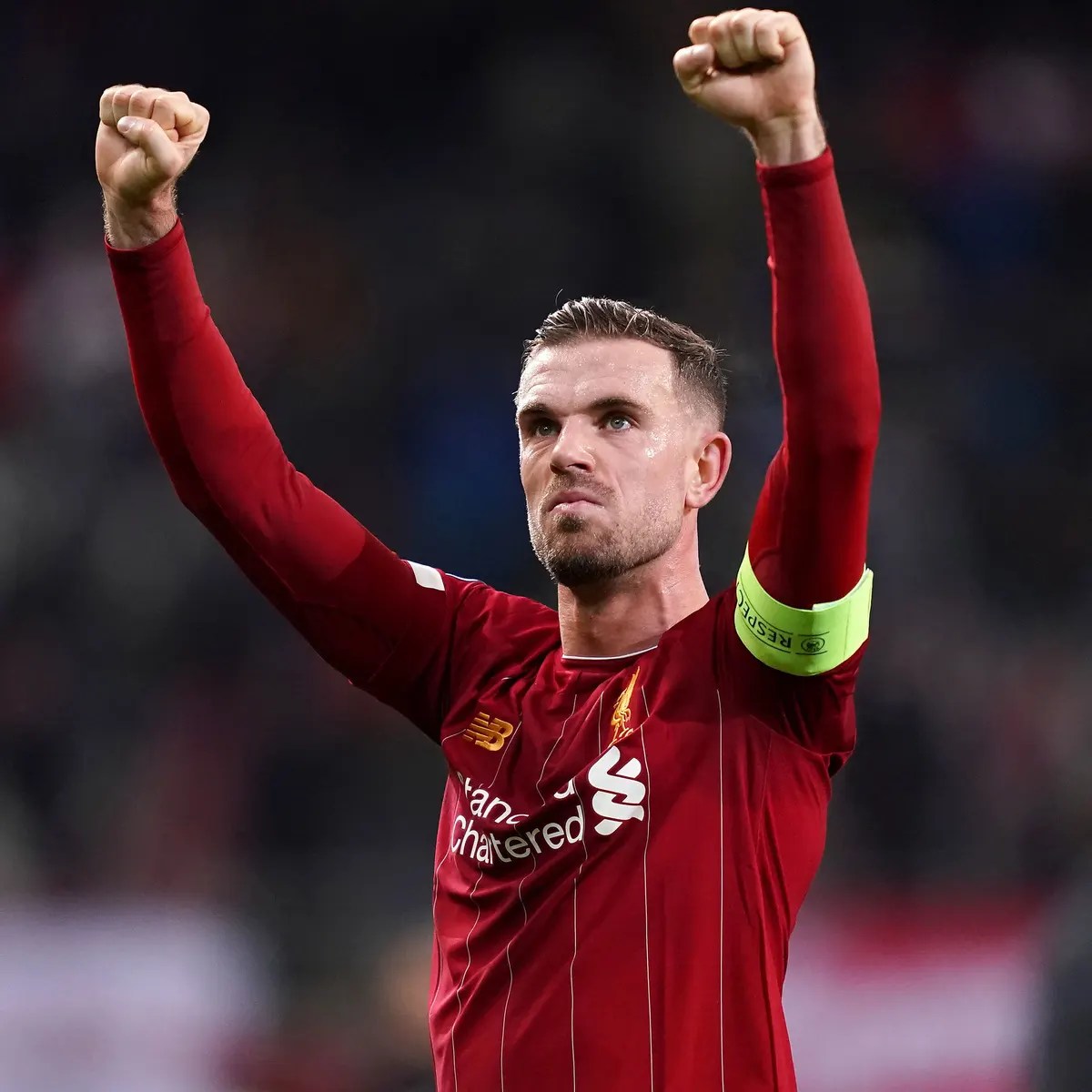
A couple of months ago, I wrote effusively of my admiration for Jordan Henderson as a footballer, a captain and a man https://rorywrites.uk/2023/04/15/and-heres-to-you-jordan-henderson/ .I still admire him as a footballer and captain. But it’s impossible to see his decision to move to Saudi Arabian team Al-Ettifaq as anything other than a betrayal of the principles that made me and others so respect him as a human being.

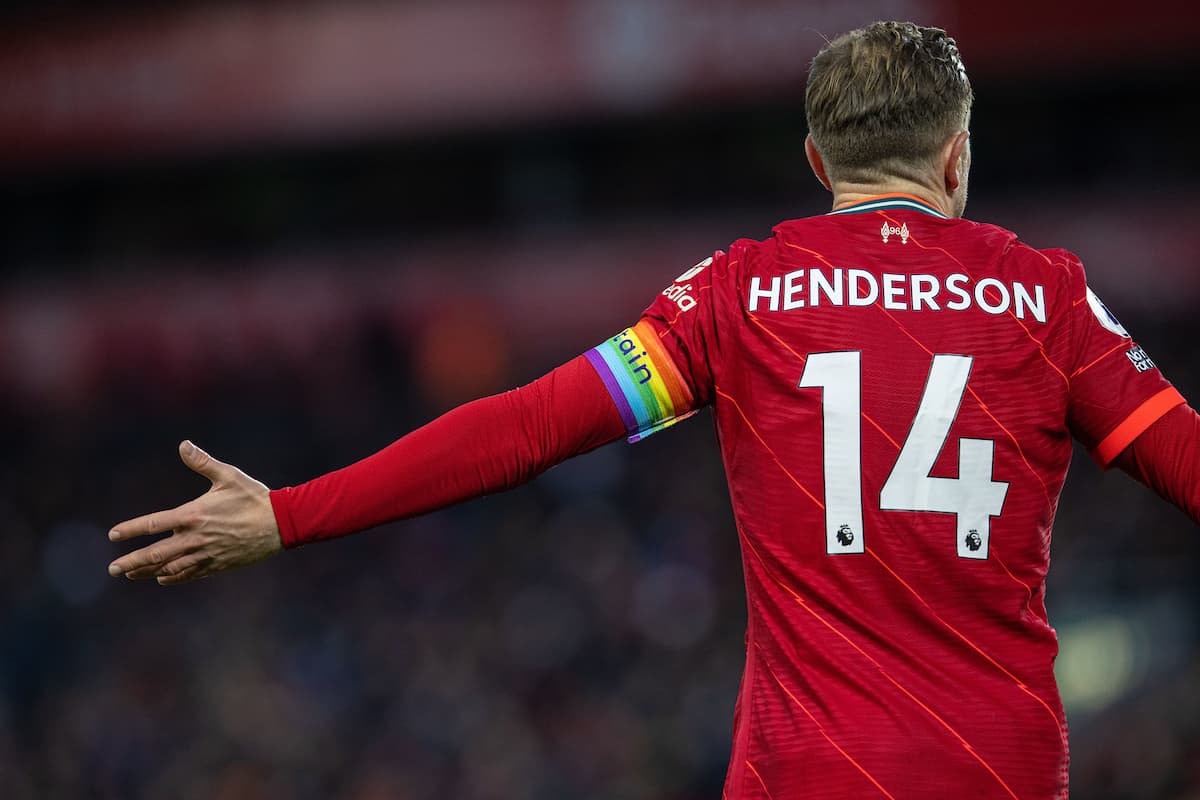
Perhaps more than any other modern footballer, Henderson has been outspoken on human rights and in particular against homophobia. He was among the most vocal critics of the decision to stage the World Cup in Qatar and voluntarily contributed a heartfelt article to the Liverpool FC programme in support of the ‘rainbow laces’ campaign. He has stated unequivocally: “Football is a game for everyone. No matter what.” That last sentence maybe now requires an Animal Farm type addition: “unless someone offers me shedloads of cash.”

Henderson’s legacy as a great player and leader in a successful era for his club remains undiminished in spite of occasional oddball carping from some Twitter fans. But the sense of him as a man of principle – whatever his efforts to raise money during the pandemic, marshalling of fellow captains against the breakaway European Super League and indeed his previous support for the LGBTQ+ community – has been fatally wounded. His complete silence on the issue, as he has been roundly condemned by supporter and campaign groups, if anything makes it worse. It might actually be worse to speak out on an issue and then ditch your principles for money than to say nothing in the first place.

It is true we are holding ‘Hendo’ to higher standards than others. We might almost have expected Cristiano Ronaldo to take the Saudi money and while there may be some disappointment to see other Liverpool icons like Steven Gerrard Robbie Fowler, Bobby Firmino and Fabinho plotting footballing futures in Saudi Arabia, none of them have made the sort of public stands Henderson has on human rights. He was supposed to be different and we believed he was.

Seeing Henderson slip out the back door in disgrace is not how his illustrious Liverpool career was meant to end. The once passionate LGBT+ rights campaigner – already earning an eye-watering salary – has doubled it or more to go and play in a country where being gay is illegal and can lead to the death penalty. It’s not just unexpected or disappointing, it’s grubby and crass. The bizarre defence that he was coming to the end of his time at Liverpool and wanted a final big payday is anathema to all we thought he represented. There are lots of places he could have gone if he wanted more game time: it just so happened none of them were offering the crazy money the Saudis were.

This is all of course symptomatic of a bigger problem for football. Sports washing started with oppressive but very rich regimes taking over PSG and Manchester City and transforming them into superpowers; Newcastle United and the disgrace of a World Cup in Qatar soon followed. The sporting world had united against Apartheid in the past, but the football authorities are so blinded by cash that countries where football is really not for everyone appear to have been not so much tolerated as enthusiastically embraced.

The exodus of significant players in Europe this summer to the Saudi league – by no means all of them past their best – suggests a shift in power from the Premier League is well underway. Perhaps football’s descent into a hyper-capitalist mentality was always going to end this way. Sporting principle and fair competition are already eroded; the transfer of football’s centre of gravity to states that don’t believe sport – or life – is for everyone, is maybe a logical endgame.

Whether that happens or not, the transfer of one of football’s most consistent advocates of human rights to a country that doesn’t respect them is a landmark event. Liverpool’s anthem is You’ll Never Walk Alone – it’s a crying shame that their captain has decided that the people he has previously stood up for can do just that.

Football Manager and FIFA aren’t real, lads

In 2011, a guy called John Boileau applied for the job of Middlesbrough FC manager, citing his experience and success in the Football Manager game. It was a good joke that was enhanced by the rejoinder from Steve Gibson, the club Chairman, telling Boileau how delighted he was that someone of his status had applied. You can read their exchange here: https://lettersofnote.com/2011/02/22/you-were-of-course-the-outstanding-candidate/

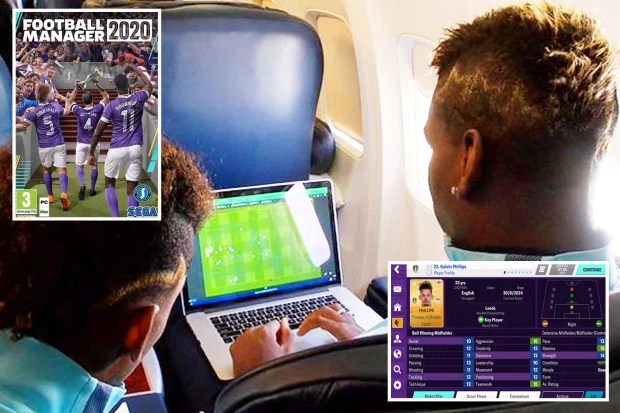
Fast forward 12 years and social media is full of John Boileaus who aren’t even joking. We have football fans wanting 5 or 6 signings – or ‘upgrades’ – every transfer window, regardless of what has happened on the pitch. Players of 30 and over are meant to be moved on because that is how it works in simulation games like Football Manager and FIFA: qualities like the dressing room dynamic and leadership are just quantifiable ratings, not key aspects of how a team functions. There is an assumption that clubs can sign unlimited overseas players with no impact on ‘homegrown’ rules; young players are dismissed as not ready, and perhaps most incredibly, players are recommended on the basis of what they have achieved for the recommender in these football simulation games. Even local newspapers get in on the act’ ‘signing’ players in Football Manager and then reporting on how they got on as if it was real: no wonder people have stopped reading local papers.

Lads with laptops are everywhere; analysing performances and goals; using stats to explain why x player is better than y and actually criticising the decisions of real coaches and thinking they know better. Ok, the last one of those things may always have happened, but it wasn’t delivered with the smugness of someone who took Peterborough to a European final in a made up game.

Reading their deluded rantings, it is clear that something has gone wrong and these people have lost the ability to distinguish fantasy games in which they are a top football manager from reality. As well made as these games are, they aren’t real, lads. FIFA ratings for different characteristics of real players are arbitrary and occasionally bizarre. Transfers are not as easy as just offering more money. than everyone else. Team building does not work by changing half the players every few months.

I played Football Manager obsessively in its early days: it is addictive and I arguably had to stop for the sake of my family and my real life career. I’d find my mind drifting all the time to potential formations, tactics and signings. The rare occasions I got fired enraged me. In its place, the game was good, escapist fun even if it was taking way too much of my time. But I never thought I was a real football manager or that doing well at a computer game meant I knew more than people in the real football world.

The worst thing about it is the arrogance with which this new breed of tech-enabled wannabes pronounce on a game you suspect most of them have never played and none of them have worked in. Statistical analysis at the highest level of the sport has undoubtedly added to the quality of tactics, training and recruitment. This emphatically does not mean that a lad from your IT department’s analysis of players, systems or or transfer deals reflects any expertise whatsoever. But you wouldn’t know it to read their arrogant assertions, their dismissal of qualities that have long been essential to football success or their advocacy or rejection of particular players. It is all posted with such certainty, such “I know better than you” pomposity. They all come over as versions of the IT man who comes to fix Tim’s computer in the office.

The sad reality is these geeks with gadgets are spending too long in their bedrooms . FIFA and FM aren’t close to reality; they’re just fun simulations and entertaining diversions. Football management is about personality, drive, connections and good fortune as well as tactical knowhow. It’s really not about making decisions based on made up ratings in a computer game. You’re not football managers, you’re not professional analysts, you’re just lads with too much time on your hands. Get off the internet, go for a walk, maybe kick a ball about. Real football, like real life, is not a computer game.

Life with Father: a memoir

For the past 16 years, Father’s Day to me has been a day to celebrate my fabulous daughter; for the past 31, I have had no Dad to send a card or gifts to. My Dad died ridiculously young at 61 and never met his granddaughter. This obviously hurts me, as does the fact that he was gone before I really grew up and built an adult life for myself. I think he’d have been so interested in the jobs I ended up doing, the wonderful woman I married and how my life panned out. It is eminently possible to miss conversations you will never have.

Many years ago, I had aspirations of being a full-time author and even managed to con the Thatcher government into paying me an extra tenner a week to pretend to be a self-employed writer. It was actually more a case of them conning the country; the Enterprise Allowance Scheme was a shoddy attempt to cut the unemployment figures by rebranding us all as entrepreneurs. To pass the occasional visit by a presumably baffled Job Centre operative, I set up my office in my parents’ utility room, complete with old fashioned typewriter, sheaths of paper, notebooks and an air of utter self-delusion.

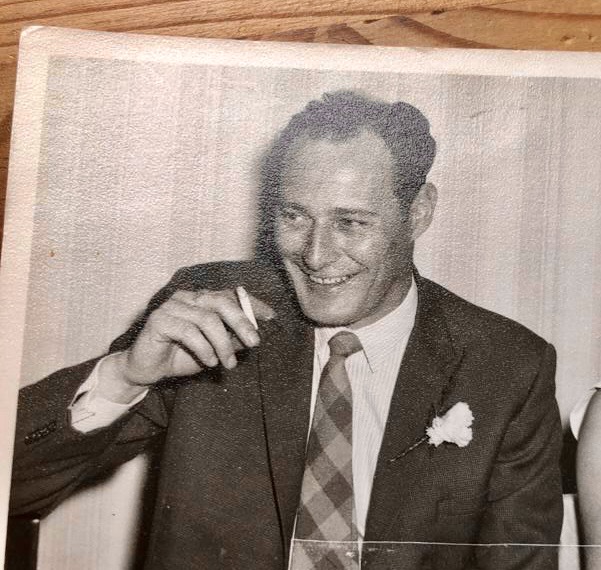
My father was a recently retired fireman when his son – replete with Brian May haircut and borderline laughable arrogance – decided he was now going to put his years of experience of next to nothing in to writing books and plays. My dad’s response veered between bewilderment and frustration – and occasional paranoia. One day, in a seeming fit of the latter, he came in and hesitantly asked me what I was writing about. “Oh, ” I said loftily. “I can’t share my ideas before I write them.” Instead of swearing and calling me a prick as he should have, he hesitated again. “What I don’t want is to come in here one day and read about ‘Life With Father’.” Yes, my Dad was taking me seriously enough to fear what everyone does when they think they’re talking to a writer – that they might write something disparaging about them. It was both an unjustified compliment to his deluded son and maybe a twitch of fear that I might one day share his eccentricities with the world.

I have written before about the unique experience of watching sport with my Dad and I’ve alluded to some of his foibles, of which there were many. But I always went back to that conversation in my pretend office when it came to writing about him. I have so many funny stories about him that have often got laughs, but I would hate to disrespect his memory by painting him in a derisory light, fulfilling his misplaced fear from all those years ago. My Dad was an unusual man, a genuine eccentric. But he was also a man of intelligence, wit, courage and charm. I would hate to reduce his life and personality to a series of amusing anecdotes. And I think that is why I have resisted writing more about him until now.

My Dad grew up in Antrim in the north of Ireland – which was at the time a sectarian mini-state where catholics like him were treated as second class citizens. There was tragedy in his early life: his father and baby brother died in the same week when my father was 4, leaving him as his widowed mother’s only child. I never met my paternal grandmother, but it sounds like she never stopped grieving, and this had a damaging impact on her relationship with her son. They endured an intense, difficult coexistence as he grew up; in his teens, girlfriends were made distinctly unwelcome and his early wage packets were handed over to his mother in full; his ‘allowance’ was often delayed, seemingly to sabotage his social plans.

As sectarian tensions began to intensify, there was pressure on young catholic boys to join the IRA. My Dad was a strong Irish nationalist and wanted an end to the Protestant dominance of all areas of life in Northern Ireland – but he didn’t want to join the IRA and he didn’t feel he could continue to live with his mother. In a rather unexpected step for a young Irish nationalist, he gave up training as a solicitor to join to the RAF. “People ask me how could you do that, but I just wanted to see the world. Then they sent me to Malaya and people started shooting at me.”

Fighting for the Brits in the Malayan civil war may not have been his aspiration, but my sense was he enjoyed both the discipline and camaraderie of military service, while sympathising with the anti-colonial cause of the guerrilla warriors who were trying to kill him. Fighting in a war and being subjected to the iron rules and regulations of military service might sound dreadful to many of us; it perhaps reflects the home life he had escaped that he tended to speak of those days with some nostalgia. After leaving the RAF, he retained his desire not to live in Ireland and instead headed to London.

His experience of the city was brief and unhappy. Trying to find accommodation, he approached a stranger and confessed he was lost. “Lost? In London?” the stranger snorted, and walked away in disgust. My Dad never forgave London or Londoners for that one rude man. He adopted the same strange and occasionally hilarious antipathy to ‘southerners’ as a single breed expressed by many of the natives of Halifax, the Yorkshire town where he settled.

Like many Irish people of his generation, my Dad found it easier to get work in the then thriving town than he had back home, where his community was often excluded from employment opportunities. He met my Mum while they were both working as bus conductors. But initially struggling to settle in England, he decided to return home permanently.

His brief return home was not a happy one: the Troubles had got much worse and his relationship with his mother remained challenging. One night, he was out drinking with friends when they were accosted by the notorious ‘B Specials’. The Special Ulster Constabulary, to give them their full name, were an armed ‘reserve force’ called up to support the RUC in times of emergency. The B Specials were exclusively Protestant and openly sectarian. On this particular night, they homed in on one of my father’s friends, accusing him of sticking his tongue out at them (the man had a tendency for his tongue to loll to the side when in his cups). As the questioning turned increasingly aggressive – and bear in mind these young men were all known to each other – my father lost his temper. He never went in to detail, but there were nine charges outstanding against him when he left Ireland a few days later, after writing to my Mum hastily retracting his advice to “find someone else”.

Settling permanently in Halifax, my Dad joined the Fire Service. His military experience was seen in those days as a plus and the service at the time provided a similar disciplined and hierarchical environment. He loved the job, though I know he saw some terrible things in the line of duty (one story sticks in my mind of pulling a man trapped in a car by his legs, only to find that the legs had detached from the man’s body). He rarely spoke of these experiences (my Mum told me that one) but a friend of his told me one night “I’ve seen your Dad do some incredibly brave things”. The fire service then did not have the breathing apparatus they do now and fires were way more common. My Dad and his colleagues were breathing in all sorts of toxic fumes: this and his chain smoking led to his emphysema, which in turn led to the embolism that killed him.

My parents’ relationship was often remarked upon as they seemed such a peculiar match. My Dad was a heavy drinker and smoker; my Mum was teetotal beyond a possible glass of Bailey’s at Christmas. Alcohol played too big a part in my father’s life and he lacked the financial discipline my Mum (or ‘the Chancellor’ as he called her) tried to impose. Their different outlooks, especially on drinking, caused occasional rows and sometimes hilarity.

One night I was lying in bed and thought I heard something hit my bedroom window. There it was again. It sounded like someone was throwing stones. I called my Mum, who was outraged. “It’ll be some hooligan!” she said, pulling back the curtains. “It’s your father!” she exclaimed, appalled.

On another occasion, she was lying in bed trying to sleep while wondering what on earth time my Dad would get back from the pub. She heard a tapping at her own window this time. She opened the curtains and screamed as my Dad’s smiling face loomed into view: for reasons unknown, he had climbed up on to the roof of our living room extension so he could surprise her at the window. Shaken and furious, she went downstairs to let him in, to find his socks neatly in his shoes on the doorstep and him struggling to navigate a way back down.

For a man with such strong views on Irish politics, it was something of a shock to my Dad (as it was to the neighbours) to end up living in a bright orange house. My Mum had ordered by post what she thought was a ‘russet’ colour for my Dad to paint the house. We were not well off, so once the can of paint was open, there was no replacing it with a different colour. As my Dad – who hated DIY as much as I do – started to slap the paint on the front of the house, he realised too late he was applying a lurid orange colour to the walls. I still recall my incensed father rage-painting his own house in a colour he despised. It was not remotely unobtrusive: you could soon see our house from the hills in Queensbury. Kids at school would ask if I lived in the “orange house”. The neighbours maintained a dignified silence and presumably made no attempt to sell their houses.

The fireman’s strike of 1977 changed my Dad. He was active in the Fire Brigades Union at the time and felt horribly let down by the then Labour Government. He felt real sadness and probably guilt at having to withdraw his labour and the strike fractured relationships with colleagues in the officers’ union, who crossed picket lines to work. They were on strike for nine weeks with no strike fund: as a family, we had no income and times were desperate as we relied on public donations and the support of my Mum’s church to survive. The experience scarred him and made him more cynical and mistrusting in later life.

He had a funny turn of phrase: his ‘life with father’ comment was very typical of how he spoke. He would often speak about himself in the third person – ‘father, ‘yer old Da’ and occasionally just ‘Seamus’. “Seamus will not be going,” was an occasional response to unwanted invitations.

My Dad was a shy man. He hated public speaking and I think this is why he didn’t follow a couple of former colleagues into the fire prevention service when approached after retirement. His reserved nature and dry, sarcastic sense of humour could be mistaken for rudeness – and to be honest, sometimes, it just was rudeness. “I have many acquaintances, but very few friends,” he often proudly told me. as if this was a code for living. Mistrust and suspicion sometimes clouded his perspective of people he didn’t know: occasionally he would take to individuals like my friend Paul Davis with genuine affection; other friends just felt the sharp edge of his sarcasm. His mistrust of others was such that I had to endure secondary school with my name, address and postcode emblazoned on the inside of my coat in indelible ink.

Equally, he was often incredibly kind and hospitable to people. He was known in the local pubs as a true gentleman and friends and neighbours remarked on his quiet warmth and charisma. His hospitality when hosting people for drinks actually bordered on aggression: “You will not sit with an empty glass in my house!” he would insist as he filled up their whiskey to tumbler level.

I’ve written in a previous blog about the extraordinary experience of watching sport with him – his weird bias against our own football team, his pretence of neutrality and his explosive responses to what was unfolding. He was anticipating a FIFA investigation when England beat Northern Ireland convincingly in a pre-World Cup friendly as the ref had been so obviously biased. “You disgraceful bastard!” was his conclusion. “Meaning you?” my sister asked, shocked – and while the referee was the object of his ire, it didn’t seem that far-fetched. Having a son supporting England must have been dispiriting to say the least.

When I first moved to London – finally getting my act together and going off to study Journalism – he solemnly shook my hand at the door. “Well,” he remarked to my tearful Mum, “That’s the last we’ll be seeing of him.” His experience of London all those years ago still resonated: he’d gone there after years of military service and a rude stranger had derailed him; he thought the capital would swallow me whole. In fact, London changed me for the better: I grew in confidence there almost by the day and it was only a recession in Journalism after I graduated that led to me moving back to West Yorkshire.

To his evident dismay, I was back on the self-employed train. I set up a regional current affairs and arts magazine with a couple of friends: it was stocked in WHSmith and burned brightly for one issue, selling more copies than expected. Then lack of advertising revenue and our utter financial naivete saw the money run out, the magazine fold and its founders landed with sizeable debt. I was back on the dole, living with friends in Leeds and applying desperately and unsuccessfully for jobs in an industry where most of the freelance work was now going to people who had previously been laid off. To say my father despaired of me at this point would be an under-statement.

He had been in poor health for some years. Along with his emphysema he had chronic spondylitis and his lifestyle didn’t help: he smoked constantly and drank too much (though slightly less than he once had). He had occasional trips to hospital for treatment; his GP told him he would lose his leg if he didn’t stop smoking. But the end was entirely unexpected. I woke with a hangover at my then girlfriend’s house to a call from my neighbour, telling me my Dad had been rushed into hospital and it “didn’t look good”. It wasn’t; the hospital was ten minutes from her house and he was dead when I got there.

The shock of my Dad – a huge figure in my life – suddenly not being there was devastating. My parents’ house felt empty without his formidable presence. I moved back in with my Mum and stayed there, working part time for the local MP, until I finally got a press office job in London five years later. My Mum found herself a widow at 57; she brilliantly built a new life and a new social circle, but her shock and grief at the time were all-encompassing.

That move to London in 1997 was the making of me; I built a successful career in communications, made lifelong friends, met my wife and now have a fantastic 16 year old daughter who I know my Dad would have adored. It would have been great for him to witness all this; the kind of work I do would have held real interest for him and it is a shame that while I was in my 20s when he died, he never really met the fully formed adult me.

My Dad always admired ‘characters’: he would speak warmly of any public figure he saw as quirky and amusing, especially in sport. And the man himself was absolutely a character: funny, charming, contrary and unique.  As his friend and colleague said at his retirement party: “There will never be another Seamus Hegarty.”

I wish I could see him again and buy him a pint.

Soft Cell: best band of the 80s

I had the huge pleasure of seeing 1980s icons Soft Cell at Hampton Court Palace this week. And what a joy it was. Marc Almond in magnificent voice exuding energy and charisma in abundance, Dave Ball (performing in a wheelchair following his fractured vertebrae last year) in every sense the straight man. From classics like Torch, Bedsitter, Say Hello Wave Goodbye and of course Tainted Love to newer material like Nostalgia Machine and rousing encore Purple Zone, the band soon had its somewhat ageing fan base on their feet and singing along. I thought they were the best band around in the 1980s – and hindsight hasn’t changed my mind. They are retrospectively so underrated it’s a crime.

We all lionise the music of the era we grew up in. It relates automatically due to being the sound of our formative years; we heard it when it was new and fresh. But when I try to look back dispassionately on my teenage years, I think the early 1980s (up to 85) does stand the test of time. ,

The New Romantic/new wave/electronic scene in the UK spawned some truly great bands. The Human League and Duran Duran competed at the top of the charts, while the likes of Echo and the Bunnymen, Visage, Japan, OMD, Tears For Fears Heaven 17, The Teardrop Explodes, Yazoo and ABC were all churning out distinctive sounds. The Cure built on their late 70s emergence, Joy Division became New Order. David Bowie – the godfather of it all via Low and Scary Monsters – teamed up with Nile Rodgers to produce his most successful album yet. The Smiths emerged towards the end of the era, changing indie music forever. The late 80s feels less glorious, though a special mention for The The for producing the best albums of that period. But that early 80s period remains definitive – and Soft Cell were a huge part of it.

Everyone remembers Soft Cell for their massive pop hit, Tainted Love – and those who were there remember even more fondly the extended version which segues into a relentless Where Did Our Love Go? But they were so much more than that one song.

Their debut album Non-Stop Erotic Cabaret is ground-breaking – it redefined what synth pop could be. I bought it on the strength of three magnificent singles – Tainted Love, Bedsitter and the devastating Say Hello Wave Goodbye (one of the truly great break up songs), but there was so much more to enjoy – Sex Dwarf, Secret Life, and Chips On My Shoulder among the best. The whole album evokes a sleazy underworld where pimps and perversions lurk around dark corners as a neon-lit nightlife unfolds. It’s dark but tongue in cheek; there’s a kitsch enthusiasm to the whole production (which was allegedly recorded on ecstasy). Soft Cell felt wonderfully transgressive and distinct: nobody else was like them. When non-album single Torch and a cover of the 1960s song What provided took them to five successive top 5 hits, they were also, briefly, a massive mainstream success.

There followed the mini-album Non-Stop Ecstatic Dancing – mainly remixes of earlier material, including their iconic (but unsuccessful) early dance-based single, Memorabilia, and the afore-mentioned Tainted Love/Where Did Our Love Go hybrid along with the What cover. It kept them firmly in the public eye ahead of their second full album.

The Art of Falling Apart is smoother and less danceable while exploring similar themes; Almond said at the time he was fascinated by “filth” and his lyrics continued to explore the seediness beneath the surface of shiny bars and nightclubs, while also painting pictures of the mundanity of suburban life: tensions with parents in Where The Heart Is and the dullness of a routine, meaningless existence in Forever The Same (a theme previously explored in debut album opener Frustration). The gorgeous Loving You Hating Me was somehow never a single; it may have reversed a trend whereby the band’s chart success never again hit the dizzy heights of those first five singles.

Their third album This Last Night In Sodom was something of a departure: the themes remained similar but the music was more experimental. It was wrongly seen at the time as one for the diehards: the reality is that it’s as underrated as the band are. Down In The Subway is a great cover; Soul Inside, Little Rough Rhinestone and L’Esqualita (which foreshadows the Spanish/Latin influences on some of Almond’s solo material) are all magnificent; album closer Where Was Your Heart (When You Needed It Most) is a great sign off for a band who had already announced they would be parting after this recording. It is even darker, more raucous and possibly slightly less cohesive than the first two albums, but it felt like a very fitting end to the Soft Cell story arc.

Except the story wasn’t over. After the pair went their separate ways and pursued different projects – Almond has had a successful solo career including a number one hit with Gene Pitney – they suddenly reunited for a fourth studio album in 2002. Cruelty Without Beauty was largely unheralded but very good, notably the cover of Frankie Valli’s The Night and new songs like Monoculture, Last Chance and the magnificent Darker Times. The songs are definitively and unmistakeably Soft Cell, but with all the advantages of 21st century production.

Another long hiatus followed, then last year Happiness Not Included appeared: it’s not just a great Soft Cell album, it was honestly as good as anything that anyone did in 2022. Purple Zone, their collaboration with the Pet Shop Boys, saw them back in the singles charts, and the album generally has so much to recommend it: Bruises On All My Illusions, Happy Happy Happy and New Eden among the standouts. Some of the themes are similar, others are new, reflecting on ageing, the disappointments of technology and unfulfilled dreams. The album’s a triumph: Soft Cell didn’t need it to confirm their status as my favourite 80s band, but it was great that they could also be my favourite band of 2022.

Soft Cell’s influence on electronic music was huge: they brought fun and debauchery to the mix in a way others had not thought of. Bands as diverse as Nine Inch Nails and the Pet Shop Boys cite them as a major influence: indeed, as good as they are, it’s sometimes tempting to see the Pet Shop Boys as a sanitised, poppy stab at being Soft Cell.

The band have hardly been prolific as a duo: they produced three albums and a mini-album and then disappeared until 2002, then again until 2022. But they were consistently brilliant, ground breaking and distinct: Almond’s voice and lyrics over the backdrop of Ball’s synthesisers sounds as great in 2023 as it did in the early 80s. There were lots of great electronic bands around then; for me Soft Cell top them all.

Zig from Zog and the coronation

“Hello. I’m Zig from the planet Zog. I’ve been set on a scouting mission to understand your planet and how it works. I’ve basically been hiding in plain sight, you probably walk past me every day. One of the first things I noticed about humans is that they don’t notice much. Especially not the most obvious things.”

“Hi Zig. Welcome. I’m not sure how much you’ll learn in the United Kingdom of 2023, but hey ho.”

“You’d be surprised. And anyway, there’s a Zig equivalent in every country in your world. All of us just quietly observing your customs and ways,”

“All part of an invasion plot I guess?”

“FFS, I’m not an extra from an HG Wells novel! Why do you humans always assume that the first plan of any alien civilisation is to make war with you?”

“Um, dunno. I guess because that’s what we always do with each other?”

“We noticed that. Be better, humans!.”

“So what’s so interesting to you about Britain in May 2023?”

“The flags?”

“Flags? Oh yes, we have the coronation coming up.”

“What’s a coronation?”

“The crowning of our new king. King Charles III.”

“Crowning?”

“Yes. It’s like a ceremony where we put a hat made of gold and jewels on his head to pronounce him our king.”

“I see. And what is a king? Is he like in charge?”

“Sort of. I mean, technically he is the head of state. But the Prime Minister is in charge of the government.”

“Sounds complicated. “

“Not really. The Prime Minister is elected by the population, along with lots of other people. We call them Members of Parliament, MPs for short. The Prime Minister is the MP who can command a majority of votes in the House of Commons, where we make our laws.”

“Yes, that sounds similar to Zog. We elect wise people to make the rules and if they let us down, we vote them out.”

“That is similar, apart from the ‘wise’ bit maybe…”

“So this king is then voted in by your House of Commons? Not by your people, but by their elected representatives?”

“Um, no. He’s not elected at all. He is the King because his late mother was the Queen.”

“Queen?”

“Queen is just the female version of king.”

“So she was elected and he – inherits her job?”

“No, no, no. The King or Queen has never been elected.”

“So how are they the head of state if nobody voted for them?”

“Well, it’s about tradition, you see. It all goes back centuries.”

“It’s a tradition for one family to be in charge?”

“Well, like I say, not really in charge, it’s more sort of ceremonial.”

“When did this ceremonial tradition start?”

“Oh, centuries ago. There were wars and all sorts for the right to be king or queen. It even changed hands between different families a few times.”

“So the people who won the wars became the kings and queens?”

“Yes, though it was all years ago.”

“So let me get this – they are in charge because their ancestors – killed yours?”

“Well, it was all a long time ago. And you keep saying they’re in charge, when they’re not really…”

“I’m sure you can’t blame them for their ancestors’ behaviour, but it’s curious you allow them to be in charge on that basis?”

“As I keep saying, they’re not in charge!”

“Touchy. So this Prime Minister is in charge? He has no crown or coronation, but he makes the laws?”

“Not on his own. Members of Parliament have to vote for them.”

“Like on Zog. So he is like a president?”

“No, no. A president is a head of state. Like our king, but voted in by the people. The Prime Minister is technically His Majesty’s Prime Minister.”

“His what?”

“His majesty. That’s what we call our king. Or if we are speaking to him, we call him ‘Your Majesty’ or ‘Your Highness'”

“Hahahaha, you humans and your sense of humour! You’ve been winding me up!”

“Erm, no?? That’s what we call him!”

“Come now, Human! I have seen your Monty Python, your satirical surrealism. It’s old hat even to me in 2023! Your highness! His majesty! Hahahahaha!”

“Look, it’s just a tradition, ok?!”

“You’re serious? You call a man “Your Highness” because his ancestors won a fight against yours centuries ago?”

“When you put it like that, I can see it sounds strange, but it’s just a tradition, you know?”

“I am confused by this tradition. It seems very odd and not in your interests.”

“It’s something to celebrate. There’ll be a load of parties celebrating the coronation.”

“You hold parties to celebrate this man having an ostentatious hat put on his head?”

“We’re celebrating centuries of tradition and our new king! If you don’t like it, go back to Zog!”

“Centuries of tradition? We’re back at his ancestors killing people so they could be in charge, aren’t we?”

“Look, that was all ages ago. And the monarchy – our system of government – and all the pageantry that surrounds it – is just part of being British.”

“Pageantry? Is that all the flags and stuff?”

“Much more than that. This will be a massive event with thousands of people involved; it will be spectacular, colourful and utterly glorious. Long live the king!”

“So this must be quite expensive?”

“About a hundred million quid. But worth it.”

“A hundred million sounds a lot. Is this king able to afford that much?”

“Oh, he isn’t paying for it! Haha! As if!”

“So who pays?”

“Well, the government. The taxpayer. In effect, all of us.”

“I see. That is curious. You have people with nowhere to live. Your essential workers are refusing to do their jobs because your government says they cannot afford to pay them enough to afford the cost of living. You have working people going to your British food banks because they are unable to feed their families. You are short of people to make the sick well and people to make sure your people are safe. All of these things, you are told you cannot afford. But you will pay £100 million to watch a man have a hat put on his head, while calling him “Your Majesty” or “Your Highness” or whatever, because his family won some wars hundreds of years ago?”

“Like I say, if you don’t like it, go back to Zog!”

“Yes, I think I will.”

“Long live the king!”

“If every new one costs your people a hundred million pounds, then let’s hope so.”

And here’s to you, Jordan Henderson…

There’s not many footballers I love more than Jordan Henderson. I’ve just finished reading his autobiography and it cemented my admiration for him as a player and a person. As the book almost recognises, he seems destined to be one of those football players who never quite gets the credit he deserves from the football public. But those who have watched him lead a fantastic Liverpool side over the last few years – and seen his vast contribution to their success – know better.

Henderson isn’t a glamorous player. The average fan tends to value the silky skills of a Messi, a Saka or a Salah more than the attributes Jordan Henderson offers. And I’m not for a minute saying he’s better than any of those three. But nor is it as simple as ‘Hendo’ being the player you want to lead a team, lead its pressing and work tirelessly for the cause; leaving the silkier moments to his colleagues. Henderson is a fine passer of the ball, often first time, he can put in great deliveries and he’s scored a few spectacular goals. All of this gets lost because not only is he surrounded by players who are easier on the eye, but also his main job as part of a Jurgen Klopp midfield is to bring energy and drive to the play.

There was one game in the World Cup, I think against Wales, where Henderson had one of his rare stinkers; he gave the ball away a lot and his touch seemed non-existent. Of course this was quickly compiled into the reverse of a YouTube highlights reel by one of those observers who fails to see his merits. He went on to have a great tournament, combining brilliantly with Declan Rice and Jude Bellingham in what is still England’s best midfield three. But in this game, having been out of action for a while and playing in a team whose style is often the antithesis of Klopp’s Liverpool, he misfired, as every player occasionally does.

The thing is, when Henderson misfires, there are always going to be plenty detractors ready to make the make the most of it. Most ‘neutrals’ tend not to admire the boring but important players – have a look at the unbalanced world elevens most people pick. With Henderson, there is also the fact that when he plays badly, Liverpool tend to as well – and for that first half against Wales, England were also pretty poor. His style – often about being first to the ball and playing it quickly – lends itself particularly badly to an off day. The old trope about backwards passing will usually be brought up too – but his job at Liverpool is to recycle possession and move the ball quickly, as well as leading the press. He can play defence-splitting passes with the best of them, but often he gets the ball in a position where that option is not available. Playing in midfield for Jurgen Klopp is not a glamorous task, but it’s crucial to how the team operates.

While Henderson struggled a little in his early years at Liverpool, he was integral to the near miss Premier League title bid in 2014: his red card against Man City with three games left was cited by many as the reason Liverpool didn’t prevail. This is not so far-fetched when you consider how that title was lost: Henderson was largely Gerrard’s legs in his predecessor’s last days, and it’s by no means certain events at Chelsea and against Crystal Palace would have panned out the same way had he been on the pitch. Since then, he has established himself as the captain in succession to Steven Gerrard and led the club to a period of success that was not widely foreseen when he joined them.

Henderson is technically way better than he gets the credit for. He can do everything that is required of a midfielder: he can pass and tackle, win aerial challenges, go past people and he’ll run forever. He can play as a defensive midfielder, but is actually better in the role he played at the World Cup, breaking forward, leading the press and getting into attacking positions where he can provide a threat. His leadership really came to the fore in that strange Covid period of empty grounds; it became clear that he talked and led his team mates through every 90 minutes. Klopp and others have also praised his influence off the pitch: in Liverpool’s most successful period for decades, his captaincy has been crucial.

Speaking of off the pitch, his values are also exemplary: he led the #playerstogether fundraising efforts to support the wellbeing of health workers during the pandemic, he has spoken out against racism and homophobia and he recently led the move by Premier League captains and players to support Gary Lineker when he was suspended by the BBC. Like Marcus Rashford and many other modern footballers, Henderson takes a real interest in issues of social justice and fairness. It is easy to say that he does so from a position of privilege – equally easy to counter that he has no need whatsoever to get involved in any of it, but chooses to do so of his own volition.

Reading his book, you get the impression his whole career has been a fight against the odds, against the critics who said he’d never become what he has. From Alex Ferguson criticising his running style to Brendan Rodgers trying to swap him for the mediocre Clint Dempsey – via a whole load of snide social media posts, some from people purporting to be Liverpool fans – it’s been a challenge to prove people wrong. He’s done it in style: he was Footballer of the Year the season Liverpool ended their 30-year title drought and he has won every club trophy he has competed for over the last few years.

Henderson himself says with typical modesty that Liverpool would have won all of those trophies without him. I actually doubt that. Not only has he been a key player, his leadership and will to win have been critical components of the whole thing. Van Dijk, Salah, Alisson and Mane may have made more spectacular impacts, but Liverpool’s record has consistently been better with Henderson in the team than without him. Damien Comolli, who helped sign him for the club, does not think they would have won what they have without him. https://www.sportbible.com/football/liverpool-would-not-have-won-premier-league-without-jordan-henderson-20220306

Like Jamie Carragher before him, Henderson is one of those players who has maximised his talents to such a degree that he made himself indispensable to a side packed with more generational players. It might well be that at 32, and with a playing style based on boundless energy, his days as an automatic starter are at an end – and we can already see the challenges that is presenting to a Liverpool team suddenly lacking that ‘heavy metal’ identity. There will be a rebuild and Henderson’s future role may be more of a bit part one like that now played by James Milner. But what nobody should doubt is his vast contribution over the last decade – or how difficult he will be to replace.