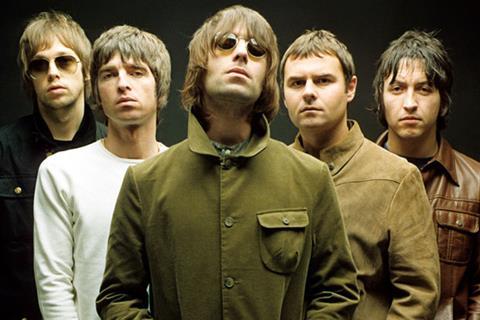
Don’t look back in anger: Oasis were fabulous

Historically, Oasis are underrated. I can hear the music snobs and try-hards laugh aloud at that. I accept many of the criticisms of the Oasis as a band: they were derivative, increasingly samey and over-hyped. But that doesn’t mean they weren’t brilliant.

There was a period around 1995/6 when it seemed there was a consensus: everyone loved Oasis, they’d triumphed conclusively in the battle of Britpop with Blur, they were very briefly part of the zeitgeist. The Gallagher brothers had a star quality that had been missing in British pop music for ages: Liam had an amazing voice and presence, Noel wrote songs that everyone wanted to sing. The consensus started to fracture with the launch of Be Here Now, maybe the most hyped album release ever and really fell apart with 90s lad culture as Britain became a slightly different place following the death of Diana and the hegemony of New Labour. But for that time – and for their first two albums in particular – Oasis rode a wave of popular admiration that only a few seemed to dissent from.

So where did it all go wrong? Well, I’m not entirely sure it did. They continued to churn out good albums – five more of them, all with good songs on, though not with the pomp and consistency of Definitely Maybe or (What’s The Story?) Morning Glory? But it wasn’t trendy to like Oasis after about 1997; look at any article relating to the Gallaghers on the more painfully cool music sites – from Pitchfork to The Guardian’s music section – and the snide dismissals come rolling in. It is as if some people feel they were tricked for a while in the 90s, but they have maybe forgotten just how explosive Oasis were when they first arrived on the scene.

Definitely Maybe is a near perfect debut – it has a case for being the greatest of all debut albums. There was certainly hype around it, but it absolutely roared along, from Rock n Roll Star to Live Forever to Supersonic, Cigarattes and Alcohol and Slide Away. One storming, life affirming anthem after another. Songs that sounded like they’d always been there, or should be – cue jokes about that being because they were largely stolen. But here’s one reason the lazy ‘bootleg Beatles’ narrative just doesn’t stack up: Noel Gallagher stole from many more than the Fab Four. A riff here, a snatch of melody there – bits of glam rock, bits of The Smiths, Stone Roses and The Jam (and later The Velvet Underground, The Stones and The Kinks). Oasis made an absolute triumph of being magpies: their songs sounded like older songs but with new twists. The production was blinding: everything felt turned up to 10: and the attitude, the old school rock n roll swagger with a dash of 90s irony, just carried the whole thing along. with aplomb.

Morning Glory was equally good; and a progession whatever people say, –Definitely Maybe never really promised songs like Wonderwall, Don’t Look Back In Anger or Champagne Supernova. At this point, even the B-sides are stonking– Round Are Way, The Masterplan and their riotous Slade cover Cum On Feel The Noise all became Oasis classics. The legendary Knebworth gig followed as Oasis cemented their place as the biggest band in the UK for years – and one of the biggest in the world.

The backlash started not long after – we have a weird British tradition of building things up to knock them down. Later albums didn’t have the glorious pomp and assurance of the first two, but they all had stand out songs – and the band remained a magnificent live act. It doesn’t matter anyway. Those first two were the albums that defined the band and the era – and there’s not a lot that retrospective whining can do to change that.

“The lyrics were shit” is the other moan – it might be true that there was an overuse of ‘shine’ and ‘star’ and ‘better day’ as the years went on, but the early stuff has some great words – Round Are Way, Supersonic, Live Forever for example. And as over-played as it is, that line “I don’t believe that anybody feels the way I do about you now” has a gorgeousness and wistfulness that we now probably look past. Noel isn’t a great lyricist, but he is often a good one – and a wonderful tunesmith. Liam’s lyrics… well, they got a bit better after Little James

It’s when you hear teenagers at Glastonbury – or indeed, my living room – singing along to Noel’s Oasis hits with gusto, that you realise the new generation has little truck with the naysayers. Oasis songs defined a generation and even in an era where people no longer hear the same music as each other, they’ve crossed over into being pretty universally familiar.

I can accept that there was hype, there was minimal innovation, there was plenty of cheeky theft. I could at one stage have accepted the ‘overrated’ tag – Oasis certainly weren’t Bowie or the Beatles (but who is, apart from Bowie or The Beatles!) But the kids loving Oasis are the backlash to the backlash. The sneering, the sometimes transparent classism and the determination to dismiss the entire catalogue of a band who dominated an era in the way few have, ends up doubling back on itself: Oasis in some quarters, incredibly, are now under rated.

I know this blog will annoy some friends and I’m sure it will undermine any aspirations to being seen as a cool and discerning music fan, so it’s good that I don’t have any. My tastes are wide and eclectic, but will always have space for stomping, swaying anthems you can sing when you’re drunk; for bands with attitude and presence and for melodies that stay with you until they are passed on to your kids. Like it or not, Oasis will live forever.

Confessions of an armchair football fan

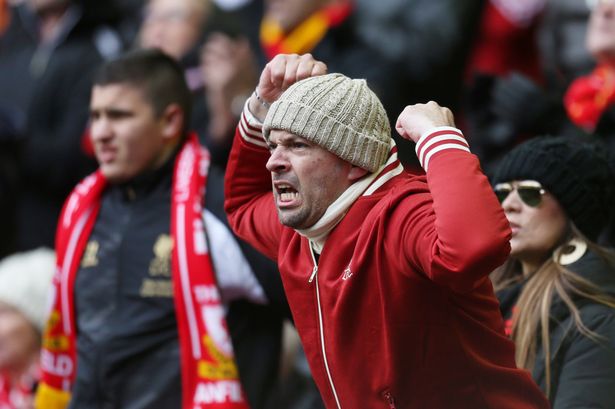
When I was young, I was convinced that in later life, I’d live in Liverpool and have a season ticket for Anfield. As a boy, my Dad would take me to games, but money being tight, it was nowhere near as often as I wanted to go. When I’m grown up, I told myself again and again, getting a season ticket will be my ultimate goal. In some ways, maybe it still is a goal. But in the last few years, my pilgrimages to Anfield have been ever less frequent, I have a Sky and BT subscription and listen to the dwindling number of non-televised Liverpool games on the club website. I care as much as I ever did about the team’s results. But I am, in pretty much every sense, now an armchair football fan.

Being not just an armchair fan but a Liverpool football fan who was not born in the city invites inevitable criticism. For one thing, I’m by no means alone. Liverpool’s global fanbase is huge and its UK ‘supporters’ can be found in every town and city – a good number of those rarely if ever ‘go the game’. (Part of that is because it’s bloody hard to get tickets for a ground that sells out out all the time, but still.) The ‘glory hunter’ jibes are never far away. Why does someone like me, born in West Yorkshire, support Liverpool FC anyway?

There is at least a simple answer to that. I support Liverpool because my Dad did. He was Irish, had spent time in the city and had a lot of time for Liverpudlians and LFC as a club. Many Irish people have a strong affection for Liverpool or Manchester United. While he was more of a rugby fan, hmy Dad strongly encouraged me to support Liverpool – even if he then spent every game playing “devil’s advocate” against them to annoy me (he was like that). We had some great days out at Anfield and everything about it felt special to me as a boy.

I had no idea when I first supported Liverpool – cheering them to defeat on my Gran’s telly in the 1971 FA Cup Final – that they were about to embark on an era of unprecedented success. There is no question that such success attracts new fans, but I definitively wasn’t one of them. I knew nothing at all about football when I inherited Liverpool as my team. Some might say that is still the case, but those visits to Anfield fed an obsession that I have never been able to shake. It became part of my identity from a young age and I sometimes wish I didn’t care so much about a silly game now played by a team of millionaires from all over the world. There is little point in calling me out on it: for me, it just is.

Why didn’t I support my local team? I did, sometimes – but watching Halifax at The Shay was a radically different experience. I found myself not caring that much about the result – which was usually a defeat – and distracted by what might be going on at Anfield. In some eyes, that might make me even more of a glory hunter: looking to the glamour (well, sort of) of what was then the First Division, rather than mustering enthusiasm for the local club. But what you feel is what you feel.

When I went to Anfield, to quote Roy Evans, I loved the bones of the place. I loved the green of the pitch, the jokes on the Kop, the camaraderie of the whole experience. We had to travel through Manchester to get there, which led to some unpleasant exchanges on occasion, but for whatever reason, Anfield felt like part of me from my very first visit. I liked the whole ethos of the club – the socialism of Bill Shankly that became a playing style and a whole philosophy. That may feel long gone in an era when corrupt states are buying Premier League clubs, but it’s not entirely.

If Liverpool is sold to such an enterprise, there are plenty fans who will walk away – shiny new players aren’t the most important thing in the world to many of us. In fact, social media increasingly plays out this conflict to people who go to games regularly and those who watch on TV, with the latter far more relaxed about a potentially dubious takeover if it means a huge transfer budget. The fan group Spirit of Shankly calling on the Premier League to act to stop unsuitable takeovers has infuriated some Twitter fans with weird dreams of a human right abusing state at the helm – but most of them have never been to Anfield.

So here am I, a semi if not entirely retired attendee, lecturing fellow armchair fans on the future of Liverpool FC. But as with the World Cup, we need to recognise that football is just a game; human lives matter way more then who wins the league. My sense is that most Anfield regulars – having been through tragedies and injustices of their own – still do.

So look, I totally understand criticism of armchair fans. I’d much rather go to games than watch on telly. But it is easy to overlook how a football team can become part of your identity from a very young age – I’d venture to suggest that might even be true of people who have never been to a live match (though I think they are severely missing out – and my own experience of going was what really stuck with me). The bottom line is that I don’t care what other people think, the fortunes of a football club several miles away from where I now live continue to matter hugely and deeply to me. It’s not something I can turn off, though I often wish it was.

Watching on TV is a different experience. You get replays of almost every moment, you get sometimes inane hype and hysteria from pundits and you get weird cut-aways to Jurgen Klopp or someone in the crowd so you don’t know what is happening on the pitch. You get often lazy comments from people who don’t watch your team every week. In the modern era, you get VAR – you can make up your own mind while Peter Walton agrees with the referee. VAR really belongs in a box with the proposed European Super League, expanded World Cups and Champions Leagues and £100 million transfer fees as an encapsulation of what modern football has become: a TV spectacle, funded through broadcasters for armchair viewers. Fans who actually go to the game are treated appallingly, whether it’s ludicrous kick off times, long waits for VAR decisions they have no clue about or World Cups hosted by people who won’t welcome many of their number.

Football is a remarkable and brilliant game: it’s little surprise it has such a huge place in the culture of nearly every country. But since the 1990s, that has been monetised in a way that has seen the ‘real’ fans who go to matches sacrificed for global TV viewers. Huge revenues have led to huge salaries and moved those playing the game further and further from those paying to watch. Yes, I can pay a monthly subscription and watch probably 80% of Liverpool games from my armchair – and yes, given Anfield is pretty much always over-subscribed and millions actually want to watch the match, this makes commercial sense. But it should never have come at such cost to those who follow their teams home and away; supporters are way more than a backdrop for a TV extravaganza.

So I’m in many ways a reluctant armchair fan, and about to join the waiting list again for a season ticket at Anfield (I gave up last time, but the stadium is being extended) – but an armchair fan I am. I do think people who actually go to games should have more of a say in how their club is run than I should. I do sympathise with some of the tropes about glory hunters – though the ‘support your local team’ one is a tad tiresome: at the end of the day, people will like what they like. Global fanbases pour money in to big clubs, for good or ill, and care about the results – and many of them will rarely if ever have the opportunity to go to live games. Nobody can stop them caring, or having opinions or declaring themselves a fan of something that is far removed from their daily lives.

Maybe that’s the difference – I was once a supporter, I’m now a fan. But no-one, least of all me, can stop the damn club mattering hugely to me – or longing to be there every time I tune in on TV.

So you don’t like football? You never said…

In the midst of the World Cup, with a daily diet of football and football chat, it probably sucks to not like the game. I can understand, indeed empathise with, people in that position. I don’t watch Strictly or Game of Thrones and I never got into Line of Duty, though I may well well have liked it if I had. When everyone else on social media or at work or at family gatherings is talking at length about something that is of no interest to you, it can be a bit excluding, even bewildering.

But here’s the thing: why do people who don’t like football in particular feel compelled to announce it to the world? I don’t spend my time complaining when people talk about or get excited by any of the above. I could name a hundred things that are popular that hold no interest for me – and I could probably explain why if you asked me. But I don’t feel the need to go around moaning about every conversation I’m (by choice) not part of.

The anti-football crew are odd. They’re odd in my eyes partly because they don’t like football, but that’s subjective. It’s their desire to broadcast their dislike at every opportunity that confounds me.

It comes in a number of forms. There’s the straight up, honest ‘bloody football!’ moans reflecting resentment at the game’s ubiquity in the news and in the national psyche – which may indeed be overblown, but does reflect something that seems to matter to an awful lot of people. There’s the ‘overpaid millionaires’ and ‘injury fakers’ whinges, which some football fans might also sympathise with – though if an activity generates millions because it is so popular (like, say, pop music), it is probably better that the cash ends up in the hands of the people with the talent rather than the often dubious people who run it. There’s the tired ‘oh, is there a kick-ball game on?’ quips, which reflect a remarkable banality for people trying to imply they operate on a higher plane. Then there’s the anti-England jibes – either from people who object to nationalism/jingoism or, perhaps more commonly, from those who just don’t want the national team to succeed because those who like the game and support England might be happy.

All those people who never watch football yet feel qualified to pontificate on how rubbish their national team is! In fairness, they’re not Brazil, Germany or Italy in terms of titles won, but few teams are. England are one of only a handful of nations to ever taste international success and they more often than not make the latter stages of tournaments – in their last two, they were finalists and semi-finalists. The chances of actually winning a World Cup are slim, but having a team that is at least among the contenders should be seen as a good thing. Terry Venables once said people tend to think England are the best team in the world or the worst, when in fact they are neither. But for the haters, the idea of them being over-hyped, overpaid and utterly useless is presumably a great stick to try to beat the national game – and those who like it – with.

In recent years, this has been exemplified by what seems a wilful misunderstanding of the clever Three Lions tune – which has become as ubiquitous during international tournaments as Slade at Christmas. As David Baddiel, who co-wrote and sang it, has explained a million times, it’s a song about losing. It reflects the hope over expectation experience of following the England team perfectly, with self-deprecating wit and pathos. Of course, “it’s coming home” has taken on a different meaning to the original one – about Euro 96 taking place in England, where association football was invented. It’s become a chorus of hope, even delusion at times – but you can only miss the irony and cleverness of the song if you haven’t really listened to it. The salty “football’s not coming home, England are” again misses the point: most fans just enjoy the journey and the brief flurries of hope.

Of course, this year’s World Cup being staged in Qatar – an appalling decision by FIFA – has given the naysayers a new weapon. England apparently should not have gone, even though everyone else did. Their players should even have accepted being booked and banned from games by wearing a rainbow armband after FIFA warned of the consequences. I absolutely recognise that for some people, including some fans, a World Cup in Qatar was unacceptable and something they did not want to engage in. But for many of those complaining, a World Cup anywhere is the problem – and this is just a convenient attack line against players who have often shown themselves to have a social conscience. The same people piled on at the start of Covid, asking Premier League footballers to do more – though this was never asked of pop or film stars. And when the players actually did what they could to help – led by the admirable Marcus Rashford and Jordan Henderson – that particular avenue of moaning quietly died.

Whether it’s bashing the national team or complaining about the huge popularity of the world’s most popular sport, the moaners are out in full force again. Guys, calm down. Watch Netflix and chill, read a book, talk about something else. If you don’t like something that other people do, that’s fine. You don’t need to keep telling us, you don’t need to wear your disapproval like some weird badge of honour. Just do what I do when Strictly Come Dancing comes on: let the people who like it enjoy it.

Ranking World Cups while feeling queasy about this one

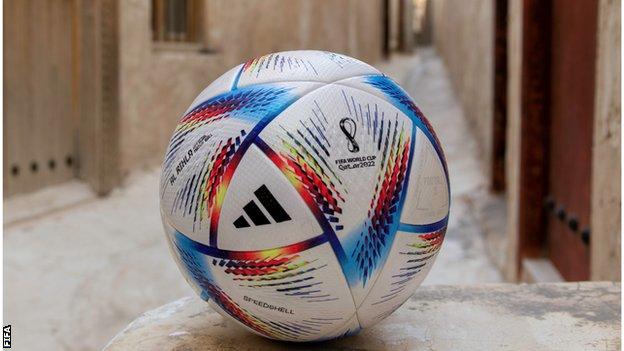
Is this the least anticipated World Cup ever? Every football fan I talk to thinks so. Qatar should never have been awarded it given its vile human rights record – staging it there feels like a new low in attempted sports washing. Cheering on football teams in stadia migrant workers died building, in a country where it’s illegal to be gay, doesn’t really summon up the joy of the beautiful game. I feel slightly queasy about it at best and I understand those who want no part of it. Factor in the ludicrous decision to move the tournament to mid-season in most countries because Qatar was basically unsuitable to host the summer World Cup they had bid for, and it really does feel like the whole project has been ill-conceived.

But I will watch it and take an interest in the football, just as I’d probably buy a ticket for a Man City or Newcastle match if they were playing my team. As Jurgen Klopp says, none of this is the fault of the players. Many of them have spoken out against the Qatari regime and there are sure to be gestures and protests making clear that watching the football is not in any way an endorsement of its record.

And if this does turn out to be the least celebrated World Cup ever, I will still have a treasure trove of memories of the best ones. The first one I watched properly was 1978 (we had no telly in 1974) – and below is my reverse ranking of all 11 World Cups I’ve watched, replete with England bias and perspective.

11. 1994 (USA). Much to my late father’s annoyance, I support England when it comes to international football because (1) I was born there and (2) they had lots of Liverpool players in the team when I was a kid. They weren’t there in 1994 so I lent my support to Ireland, a team full of players who mostly wouldn’t make the England side and who were never going to win it. Not going to packed pubs full of the familiar hope over expectation atmosphere took away a fair bit from the tournament and aside from a thriller between Brazil and the Netherlands, the tournament had few memorable games. It culminated in a goalless final decided on penalties in favour of Brazil over Italy.

10. 2002 Japan/South Korea. Lunchtime and early morning kick offs derailed some of this tournament for me and there were few great memories. Senegal beating France was a promising start, but South Korea and USA making the semi finals illustrate the standard of the football, which was largely a triumph of organisation over flair. England went out to a moment of Ronaldinho genius or a David Seaman howler, depending on your perspective. Brazil deservedly won, beating Germany in the final, but it wasn’t a tournament to remember.

9. 2018 (Russia). A tournament where many of the best teams, with the exceptions of winner France, seemed to under-perform. England got the luck of the draw and played pretty well to join the French, Croatia and Belgium in the last four. Germany and Portugal crashed out early and classic matches were few and far between. The looming presence of Putin in the background didn’t help – while England fans enjoyed their progress in the easy half of the draw, it wasn’t a tournament that ever really took off.

8. 2014 (Brazil). A World Cup in Brazil should have had us all salivating, but that wasn’t easy in England. Roy Hodgson managing England was always going to end in the curmudgeonly old sod moaning after being outplayed by a supposedly lesser team. While there may have been an inkling of satisfaction in rival fans who had bizarrely thought Liverpool’s dismissal of him harsh getting the full Hodgson experience, his pre-tournament management of expectations was such that it was hard to summon up any excitement about the finals. Some memorable goals from James Rodriguez and Germany’s 7-1 thrashing of Brazil weren’t enough to save the tournament from mediocrity, including a dull final where Germany beat Argentina in extra time.

7. 2010 (South Africa). Most memorable for the remarkable Spain team who won it, elevating tiki-taka to the biggest competition in the game. (These were the days when it was played with energy and flair rather than endless backwards passes and pointless triangles.) There was great drama in the quarter-finals with Luis Suarez’s handball denying Ghana, the Germans grabbing three late goals to beat Argentina and Brazil going out to the Netherlands. The Dutch side were something of a disgrace in the final though, trying to kick their way to victory over a vastly superior Spain. Last call for England’s golden generation, smashed by Germany in the second round.

6. 2006 (Germany). Very few shocks in this one, though the unfancied hosts did better than expected in making the semis and Portugal exceeded expectations doing the same. It felt all along like a tournament lots of teams could win, which is always a positive. The likes of Henry, Ronaldo and Messi had good moments while the world’s best player, Zidane, was outstanding until he lost his head – or used it to butt Matterazzi – in another disappointing final settled on penalties in Italy’s favour. Ronaldo got club mate Wayne Rooney dismissed as England went out on penalties in the quarters, in what was now time-honoured tradition.

5. 1998 (France). That Michael Owen goal against Argentina will live long in the memory, as indeed will the 17 year old’s explosion on to the scene in this tournament. The same thrilling game saw Beckham’s dismissal after an encounter with Diego Simeone (as loveable then as now) and another penalty exit for the English. Elsewhere, Denis Bergkamp’s brilliant goal against Argentina remains one of the best seen on this stage, Nigeria burned brightly in the group stage before crashing out to Denmark and the original Ronaldo won the Golden Ball before playing very poorly through illness in the final . Brazil were red hot favourites that day, but in a memorable match France spanked them 3-0, with Zidane the star of the show as he was the tournament.

4. 1986 (Mexico). This was 100% Maradona’s World Cup. The greatest player of all time dominated the tournament in a way arguably nobody has, scoring incredible solo goals and just looking head and shoulders above anyone else in the competition – and pretty much anyone we’d ever seen. England fans whine about the Hand of God goal, but the chutzpah of it honestly deserved admiration too. Gary Linker had a great tournament and came as close as anyone to denying Argentina in a thrilling quarter final, but it was a World Cup where the two best teams – Argentina and West Germany – contested the final and the best of the two won a great game 3-2, with Maradona assisting the late winner.

3. 1990 (Italy). I am pretty certain there is an England bias in this choice, but there seemed much to love about Italia 90 beyond England’s Gazza and Lineker inspired run to the last four. Roger Milla and the exciting Cameroon side who beat champions Argentina in the group stages before exiting in a last 8 thriller against England; Jack Charlton’s Ireland storming to the quarter-finals, Romario, Baggio, Baresi, Van Basten, Gullit and Matthaus. Maradona not quite what he was but still remarkable, running screaming at the camera after scoring a goal. The Pavarotti soundtrack and again, that feeling that there was no clear favourite. But above all for me, love had the world in motion. After a shaky start, England came through their group, then beat Belgium in the last minute of extra time – a moment captured in the Three Lions songs but also memorable for me leaping so high in to the air that I broke my mum’s sofa when I landed. This was the brief period when Paul Gascoigne threatened to be a truly great player, a youngster who didn’t start the tournament as first choice but became central to England’s surge – along with Gary Lineker and David Platt. The thriller against Cameroon was followed by another penalty exit after a semi final in which they largely outplayed Germany, who went on to beat Argentina in an ill-tempered final.

2. 1982 (Spain). This was a great tournament from start to finish – Algeria’s shock win over West Germany, who would bounce back led by the talismanic Karl-Heinz Rummenigge to contest the final, Northern Ireland stunning the hosts, Bryan Robson inspiring England through the group stages before going out in a three-team second phase without conceding a goal. But above all, I remember this World Cup for the fantastic Brazil side on Socrates, Falcao, Eder, Zico and Junior. They looked unbeatable and imperious at the outset, memorably swatting aside a Scotland team who had the temerity to take an early lead. Then somehow they went out to Italy in a game for the ages, Paulo Rossi scoring a hat trick in an incredible 3-2 win. Another classic followed in the Germany-France semi final – 3-3 after extra time, with the German keeper somehow getting away with an assault on Patrick Battiston – before emerging the hero in the penalty shoot out. Italy – now playing the handbrake off after years of negativity – deservedly won a pulsating final 3-1.

1. 1978 (Argentina). I may be biased again here as it was the first one I saw. I was only dimly aware of my Dad’s rants about the Argentinian military junta. and only later understood the controversies around some of the results. Everything felt exotic, from the ‘Argentinian welcome’ to the ‘down the line’ commentary to the sudden preponderance of long range goals. Argentina, in their iconic strip, fascinated and beguiled me – Kempes, Luque, Passarella, Ardiles and the keeper, Fillol . To my father’s alarm, I adopted them over the Netherlands after the Scots went out. Yes, this was another tournament England didn’t make, but I didn’t care at that age – I was happy to support the Scotland of Dalglish, Souness and Hansen. The tragicomic story of Ally’s Army will live long in the memory – the stunning defeat against Cubillas-inspired Peru, Willie Johnstone sent home in disgrace, then that never to be forgotten game against the Netherlands where we actually thought Archie Gemmill’s brilliant goal was going to help them pull off the impossible. Alongside Italy’s group stage win v the hosts, it was probably the game of the tournament. Scotland aside, it was a tournament full of amazing players and characters that you didn’t see week in week out as we do now . Not just the Argentinians, but Rensenbrink, Neeskens and Rep of the Netherlands, Bettega, Zoff and the hilariously misnamed Gentile of Italy, Quiroga, the ultimate eccentic keeper of Peru. Argentina beat the Netherlands 3-1 in a terrific final, though their 6-0 win over Peru to get there on goal difference and a number of decisions in their favour throughout the tournament raised questions. As a boy, I wasn’t interested; I just thought their football was glorious. I still can’t move this World Cup down the rankings even one place; I loved it.

‘Captain Fantastics’ are often mediocre managers

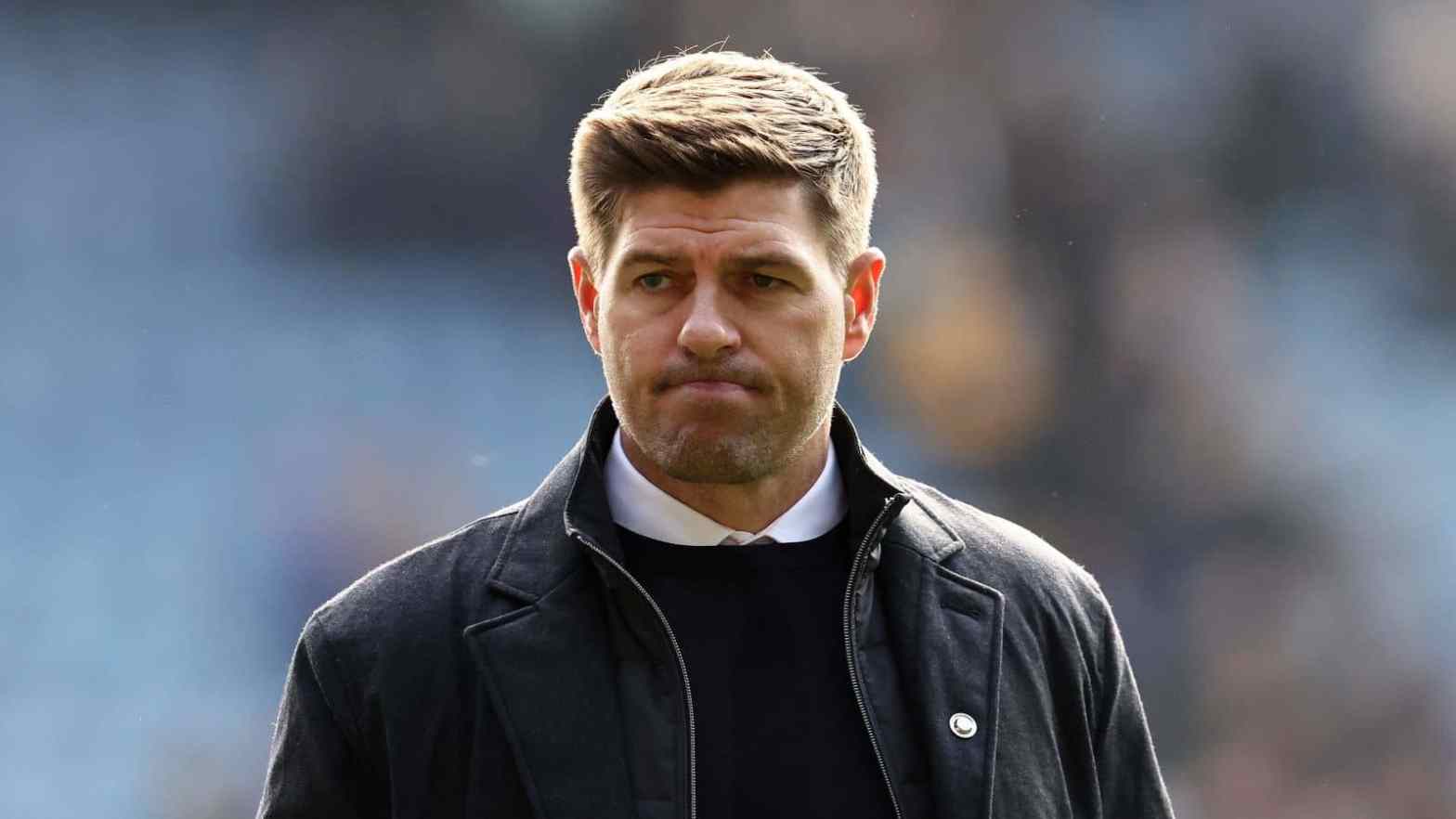
Steven Gerrard’s dismissal from Aston Villa was no surprise in the end, after an abysmal start to the 2022//3 season. Once again, a manager who swept to Scottish titles with one of the two Glasgow clubs has come up short on the much harsher terrain of the Premier League. While it is way too early in Gerrard’s managerial career for obituaries, speculation about a future return to Liverpool as successor to Jurgen Klopp looks more of a pipe dream than ever.

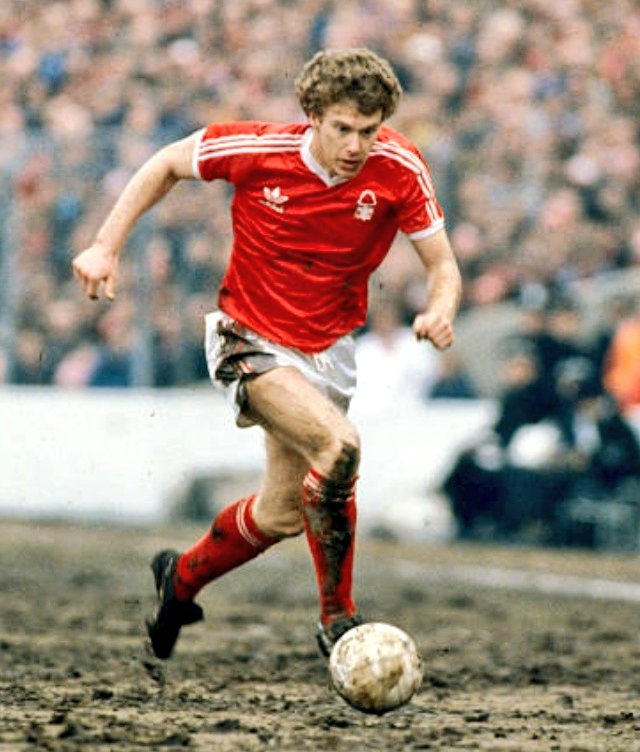
Gerrard’s reputation may yet recover, but it is striking how many top players – especially those lauded as leaders on the pitch – never quite cut it as managers. English pundits and journalists have a terrible tendency to hype certain types of ex players as the men to ‘sort out’ a club in difficulty. The original Captain Fantastic, Bryan Robson, has many heirs in great players who were not great coaches – Roy Keane, Alan Shearer, Tony Adams and Stuart Pearce among them. Graeme Souness, like Gerrard, was a huge success at Rangers before failing spectacularly on his own return to Anfield and going on to become a middling Premier League manager. Frank Lampard might have ‘got’ Chelsea but he couldn’t get them winning much. Like Gerrard, Lampard may go on to better things – but the early signs at Everton and his previous efforts at Derby are hardly Earth shattering.

It’s not completely clear why punditry reverts to the stereotype of the great influencer on the pitch being as effective off it. Modern football coaching is not about shouting at players and telling them to get their act together – if indeed coaching was ever about that. Alex Ferguson may be the last ‘old style’ manager with a disciplinarian streak to taste success, but his management incorporated kidology, bravado and inspirational coaching as much as hairdryers. Remember how people mocked the seemingly taciturn football intellectual Arsene Wenger before he led Arsenal to an era of unprecedented success – how would this man control a dressing room with the likes of Adams in it? With great aplomb, as it turned out.

So much football coverage still revolves around “man’s game” cliches. Every week, Roy Keane opines about players in whichever team he has just seen losing not trying hard enough. Souness is cut from the same cloth. Listening to them as pundits – while their analysis is entertaining – you can start to see why maybe they weren’t top managers. Modern players are a different breed, with different needs and expectations of their coaching staff – so even if the “get out and there and play” approach ever worked, it’s unlikely to do so now.

I’m not saying for a minute that that is the approach of Gerrard and others. But is is implicit in what some pundits and reporters say that that is all that is required. And of course it is way easier to talk about football with passion and than it is to manage an actual team, as I’m sure Gary Neville would testify.

There is nothing that any of the great on-pitch leaders above have done as managers that marks them out as special – in most cases, they have been unsuccessful. It may even be that great players do not often make great coaches, as so much came so easily to them as footballers. But pundits need to stop hyping particular types of footballer – usually English – as the next superstar coach. If Gerrard had led Villa to the Champions League places, he might have been a contender for the Anfield hot seat. Beyond that, his only qualification was having been a great player there – much like Souness before him.

Do we remember old footballers as better than they were?

“I’ve always said Kevin Keegan is overrated,” my father once said, as my MUFC-supporting neighbour predicted his departure would see Liverpool decline. Both were wrong: Liverpool brought in Kenny Dalglish and rose to new heights; Keegan was twice European Footballer of the Year and is if anything historically underrated.

I have written before about my Dad’s strange sporting biases – a supposed Liverpool fan who seemed to advocate against them in most games we watched together. Ian Rush, Alan Hansen, Phil Neal and even Graeme Souness were among other LFC legends he declared not as good as others claimed. Strangely, Irish internationals Steve Heighway, Ronnie Whelan and Mark Lawrenson were the main men (though even he had to acknowledge Dalglish’s brilliance). Given that these were the views of a man who had fiercely declared that “if you put those two Irish teams together, you’d have a team that would take on the world” – I think there is at least consistency of view. (I’m sure Maradona, Socrates, Platini, Rummenigge et al would have been terrified at the the thought of a team containing both Noel Brotherston and Kevin Moran.)

But just looking at those names in the paragraph above, I realise I remember all of them as incredible footballers mostly better than what the Premier League of today has to offer (ok, probably not the last two). There is no doubt that the Premier League has taken football hype to previously unseen levels: its hyperventilating promoters tend to see its launch as a kind of football year zero where records began (it was just a rebrand, lads). It’s also the case that people who attack Souness for criticising Paul Pogba on the basis that Souness was a lesser player are barking mad – he was twice the footballer Pogba is. But does that classic ‘year zero’ ignorance have a reverse? Do we in fact remember the footballers of our own youth over fondly, just as we criticise younger fans for believing the hype about the current generation of players?

In other areas of life, we definitely have a tendency to do this. Most people seem to regard the music of their teens and twenties as a kind of golden age. We often hear “they don’t make ’em like that anymore” praise for old TV shows. And there’s even a weird nostalgia for politicians of the past in some circles, though that may genuinely reflect how far standards have fallen.

Falling standards, you see, is where it’s at. As we get older, we often seem to think things are getting worse, or at least that they are not as good as they were when we were younger – and presumably happier and less stressed. We deride mobile phones, social media, You Tube and even the ease with which kids can find things on Google. It could be argued that these advances have not all universally improved the human experience, but the “not in my day” perspective can skew world views in the strangest ways.

So to football. I do (of course) think that all of the Liverpool players on that list – including my Dad’s picks – were exceptional. Many, like Keegan, are underrated historically. And the four superstar names at the end would have been giants in any football period. I also recognise it is difficult to compare athletes across eras in which technology, training, diet and facilities have changed vastly. But there are other players I look back on as remarkable who probably weren’t. Was Joe Corrigan really a shoo-in to be England goalie in any era apart from the Clemence and Shilton one? Was Alan Kennedy – who was kept out of the England team by Mick Mills of Ipswich – really a great full back or did he just score some huge goals? Were the likes of Mills, Steve Perryman, Bob Latchford, Tony Woodcock and (sorry, Dad) Norman Whiteside any more than pretty good players?

It is easy to forget the reverse effect of the hype: ex players were not subjected to anything like the same scrutiny. We didn’t see all their games – and mistakes – on TV every week. We didn’t have whole TV shows, websites and internet channels dedicated to analysing every last detail of every game and player. Everything was viewed through the cosy Match of the Day highlights reels, with a little bit of comment but nothing like the industry of opinion and hot takes modern players have to deal with. And that’s before we get on to players being criticised in person on social media (often by people who have never set foot inside the club they claim to support). If you look at the recent struggles of, say, Harry Maguire or Trent Alexander Arnold, it’s impossible not to recognise the impact of media and social media, the narrative being shared daily with the player himself. One day Trent has revolutionised his position and is the best current English footballer; the next he should be dropped.

Another word from my Dad at this point. “You see Bobby Charlton goals and say what an amazing player. Actually, he tried those shots about ten times a game and most of them went 30 yards over the bar.” This may be typically harsh and biased – Charlton was known not to get along with George Best (who of course my father regarded as the greatest footballer ever, bar none). But the claim is illustrative, even if my Dad himself would only rarely have seen Charlton play 90 minutes. Highlights reels, big live games and above all rose-tinted memories definitely play a part in our memories of former players – even if industrial-level hype might inflate opinions of the current crop.

There are two sides to the story. We may well remember some players as better than they were, aiding our perception that current players (and the current game) are overstated. Equally, that perception is itself accurate, as broadcasters and other media continue to sell the Premier League as if it were the start of football rather than a new name. As in other areas of life, the reality is somewhere in between: every era has its share of brilliance and mediocrity – and people will often argue for their own halcyon days and figures as the best ones.

Heads fall off in football’s kneejerk season

So it looks like Liverpool and Manchester United will be fighting to stay in the Premier League this season. West Ham are gone already. And it’s three titles in a row for mighty Manchester City and their lovely paymasters.

That’s what football social media half suggests, anyway. Regardless of the fact that each team has played a grand total of three games, sweeping conclusions are being leapt to everywhere. Historically, we didn’t even see league tables at this point of the year (and in most years, the season was only just beginning.) We have a ridiculously compressed calendar because of a moronic, money-motivated decision to play the World Cup in Qatar in winter. Even as a fan, I wasn’t quite ready to pitch back in to the hype and madness that is the English Premier League; I am sure players used to easing their way back from the beach about now wish they were still sunbathing.

Football and social media are a terrible combination. Social media requires binary views and simplistic, tribal arguments. Football is basically built on the latter and is increasingly driven by its marketeers towards the former. Messi or Ronaldo? Gerrard or Lampard? Pep or Klopp? The pointless arguments rage to the point where the one you prefer is brilliant beyond reproach and the other a comically overrated spoofer.

Sky Sports remains the premier pusher of the Premier League. In many ways, what they do is brilliant and the likes of BT, the BBC and Johnny-come-latelys Amazon have been left in the dust. Sky has by far the best pundits – Gary Neville and Jamie Carragher remain the prime movers – but has anyone else noticed how shouty they have all become lately? Like every other broadcaster, Sky Sports knows controversy means clicks and clicks may attract new audiences.

So we have the bizarre spectacle of Jamie “look at me when I’m talking to you” Redknapp facing off against Gary Neville over the blame for Man United’s lost decade. We have Roy Keane rants about players being worried about their hairstyles; Graeme Souness telling Emma Carney and others it’s a “man’s game”. All this replayed for clicks and comments on socials. Everyone has to take a side: players and teams are either the best of all time or overpaid flops. This feverish hype generates your social media traffic; you can leave the tiresome “bantz” and tribalism between rival fans to raise the pitch to screeching point.

Last week, Manchester United were down and out after two games, their new manager had failed, or the owners had, or the players had, or something. Argue that out among yourselves, as loudly as possible please. This week, Manchester United beat Liverpool. Now it is Liverpool – who a matter of weeks ago were being lauded as one of the greatest teams of all time – who are in ‘crisis’. Three games, no wins. There is no way they will make up a gargantuan 7-point gap from the remaining 105 points available. Liverpool’s defeat and two draws have taken the heat off not just Man United, but also Chelsea, who slumped to a shock 3-0 at Leeds. Should Liverpool win their next game and Chelsea lose theirs, the knees will jerk towards the Blues. “Fundamental questions” will suddenly need to be asked about what has gone wrong at Stamford Bridge.

For this bonkers agenda to take hold, and for Sky and the many media outlets to maximise interest in their product, every game has to be life or death, critical and consequential. Had VAR done its job at Old Trafford, the second goal may not have counted and the story may be different: how could United turn these improved performances into wins? Questions about Liverpool would remain, partly due to the ridiculous standards they and Man City have set in recent seasons, where the occasional draw has felt akin to a defeat. But the narrative changes with each result. Everything is based on what happened yesterday. Neville is an admirable pundit, but the number of times he has seen the green shoots of recovery at Old Trafford only to denounce the club as falling apart within weeks is extraordinary. Except it’s not, because that is how modern football punditry works – it is all about the last game, the newest signing or the latest social media-friendly rant.

So as heads fall off all over the place, perhaps we’re just better to remember what’s great about football: it’s unpredictable. Sports washing empires and too much money may have made it less so this century, but football is unlike almost any other sport in its capacity to produce surprise results. The best team won’t always win, the best players won’t always perform. Moments of magic, mistakes and madness will continue to impact the outcome. Good footballers won’t become bad and poor football teams won’t become good overnight.

It is not actually possible, in the early stages of a disrupted season, to draw any conclusions about anything (at a similar stage last year, Man City were faltering and Man United were supposedly an emerging force). If everyone could just calm down, wait and see and start to assess the situation around the time we break for this stupidly-timed World Cup, we’d all be better for it – except, perhaps, those whose audiences depend on the whole enterprise being conducted on the edge of hysteria.

*Photo – Daily Mirror

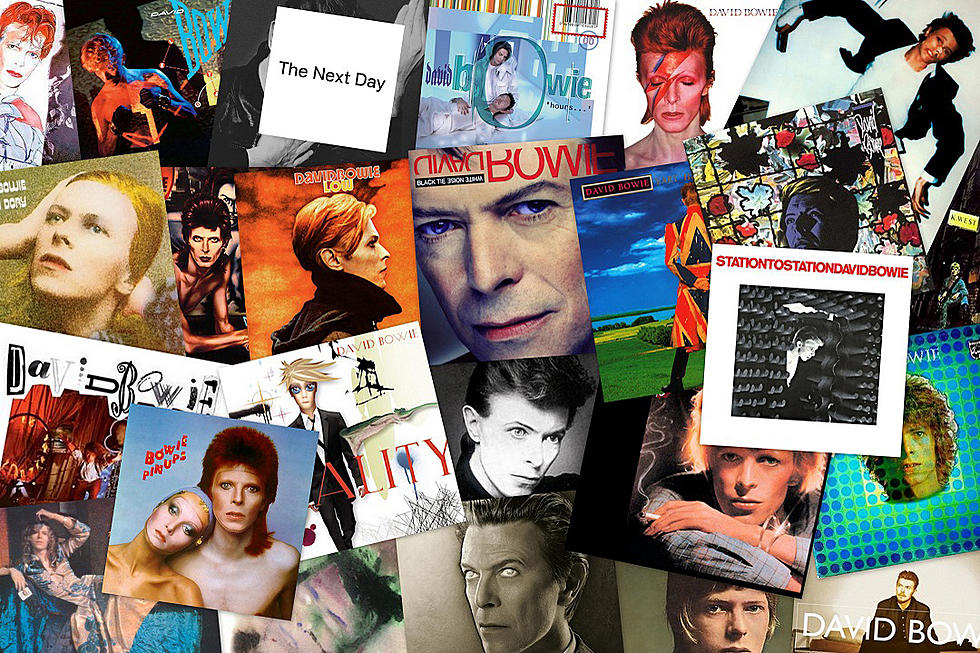
Ranked: David Bowie’s studio albums

I’ve written before of my love of all things Bowie. Here’s my latest attempt to rank his 26 studio albums in reverse order.

26. David Bowie (1967). Easy to forget that the great man started his career as a purveyor of novelty pop, sounding like a cross between Anthony Newley and Tommy Steele. We’re meant to disparage this album as he did, but bits of it are good fun, notably Love You Till Tuesday. But it’s not the Bowie we came to revere.

25. Never Let Me Down (1987). H’mmm. He kind of did let us down at times in the mid-80s. Like all Bowie albums, this has its moments of inspiration, notably Time Will Crawl. The title track, Glass Spider and Zeroes are decent enough. But for much of it he is going through the motions in what he later called his ‘Phil Collins’ phase – trying to write for the mass market attracted by Let’s Dance rather than doing his own thing.

24. Tonight (1984). The follow-up to his biggest selling album, Let’s Dance, marked the beginning of his 80s mini-decline. Singles Blue Jean and Loving The Alien sound like the old Bowie, the rest is made up of mediocre covers and middling songs that wouldn’t have got near an earlier Bowie release.

23. Black Tie White Noise (1993). Some saw this as a return to form – and it’s better than the two above, with lead single Jump They Say the standout. Miracle Goodnight and the title track are fine Bowie songs and Pallas Athena certainly doesn’t sound like any of his other tracks. But it feels like a slight return to his mid-80s groove after his underrated Tin Machine experiment. The first of many to claim the title ‘best Bowie album since Scary Monsters‘ – it would not hold it for long.

22. Buddha of Suburbia (1993). Bowie’s ‘lost album’. Much closer to a return to form and initially written as a soundtrack for the Hanif Kureshi TV drama, the album got little publicity and was a commercial flop, with only the outstanding title track used in the series. But it’s an interesting, if uneven, listen: Bowie is experimenting again and turning out some fine tunes – Strangers When We Meet would reappear on his Outside album and some of the instrumental pieces recall his Berlin phase.

21. Pinups (1973). Cashing in on his rocketing fame post-Ziggy Stardust, Bowie turned out an album of covers, mainly songs he was listening to in the 60s. It has that iconic early Bowie sound and band and the choices are interesting, though not all improve on the originals. Sorrow is divine though and he makes a good stab at most of them, especially Friday On My Mind and Rosalyn. He’s definitely enjoying himself here.

20. Hours…(1999). Bowie found his mojo again in the 90s and this album ends the decade with him in decent form. Less experimental than the two albums before it (Outside and Earthling), it is nonetheless a reminder of Bowie’s ability to construct great tunes – notably Seven, Survive and Thursday’s Child.

19. Reality (2003). His last album before his long hiatus, Reality has some great moments without quite living up to its predecessor Heathen. Bring Me The Disco King, Never Get Old, The Loneliest Guy and Looking For Water are standouts. Hard too not to enjoy his covers of Try Some Buy Some and Pablo Picasso.

18. Earthling (1997). Bowie has done a drum and bass album? WTAF? Of course, as when Bowie takes on any genre, it becomes a cross between Bowie and the genre. Perhaps surprisingly, Earthling largely works: I’m Afraid Of Americans and Dead Man Walking are memorable singles and there is plenty here to enjoy. Above all, it is great to see Bowie doing what he likes again and not aiming for his 80s audience.

17. Outside (1995). The real return to form after the promise of Buddha. Meant to be the first of a Nathan Adler Diaries trilogy about an ‘art murder’, this showcases some of Bowie’s best songs since Let’s Dance. The weird talking segments don’t work for me and the album might score higher without them, but there are some mighty songs here. The Heart’s Filthy Lesson is magnificent and provided the perfect theme to the iconic move Seven. Outside, Hallo Spaceboy (much better here than in the watered down version with the Pet Shop Boys), I Have Not Been To Oxford Town and this version of Strangers When We Meet are all great Bowie songs.

16. Heathen (2002). Yet another ‘best since Scary Monsters’ , this Mercury Prize nominated album was deservedly well received. Back with his old producer Tony Visconti, Bowie is maybe not setting trends anymore but it’s a very good collection of songs. Slow Burn was nominated for a Grammy for best male rock vocal and Bowie’s cover of the Pixies’ Cactus is great, as is Slip Away. Everyone Says Hi and A Better Future are straight pop tunes and his cover of I Took A Trip On A Gemini Spaceship is great fun.

15. Lodger (1979). We’re among the Europa League contenders already. The third of Bowie’s Berlin trilogy is less radical than Low or Heroes, but Bowie tries on various new wave and art rock styles. Boys Keep Swinging is a stonking lead single, while Fantastic Voyage follows the same chord sequence in a slowed down, reflective musing on the cold war and fear of nuclear war. Repetition and DJ tell sad stories, while Move On and the swashbuckling Red Sails evoke a Bowie quote on his transient existence at the time: “I travel 100% of the time.” One curiosity: Red Money is basically the same song (with some of the same words) as Sister Midnight, cowritten by Bowie for Iggy Pop’s album The Idiot.

14. Let’s Dance (1983). Bowie’s most commercially successful album initially divided elements of his fan base, but history has been more than kind to it. The combination of Bowie and disco riff-maestro Nile Rodgers is a tremendous success. That huge intro to Let’s Dance, the clever reworking of Iggy and Bowie’s China Girl and the rumbustious Modern Love were an entirely new sound for Bowie. It may have marked the start of his 80s low point, but there is little evidence of decline here.

13. Young Americans (1975). One of Bowie’s most startling albums in that it marked a complete change to his earlier sound – a trend he would continue. Young Americans has been characterised as ‘white soul’ or ‘plastic soul’. As ever, though, when Bowie gets hold of a genre, he delivers his own interpretation of it. The title track and Fame are among his best tunes, Right is a relentless funk tune and his rampant version of Across The Universe lays in to the original – whereas a Zen-like Lennon felt nothing was going to change his world, a furious Bowie was not going to allow anything to change his.

12. Heroes (1977). Bowie was on fire in 1977, turning out this album, its groundbreaking predecessor Low and co-writing and producing two superb Iggy Pop albums. Heroes follows the same format as Low; an electro-rock first side and a largely instrumental. ambient second. The title track has become his most iconic song and just sweeps along majestically, Sons Of The Silent Age and Beauty And The Beast are fabulous, and instrumentals like Neukoln and Sense Of Doubt could add tension to any horror movie.

11. The Man Who Sold The World (1970). Undoubtedly Bowie’s rockiest album and the first outing for the band who would become The Spiders From Mars. Many Bowie fans would have this far higher, but we are now in Champions League territory with wall-to-wall classics all the way. The Man Who Sold The World is a brilliant mix of hard rock and sinister little ballads like After All. All The Madmen combines both in one song, while the sweeping The Width Of A Circle and The Supermen are Bowie at his most heavy in every sense. Saviour Machine is an early rock music take on the dangers of artificial intelligence. The title track is another iconic Bowie tune – and Lulu’s Bowie-produced cover is better than Nirvana’s.

10. David Bowie/Space Oddity (1969). The rebooted eponymous Bowie debut was later rebadged Space Oddity to avoid confusion with its less seminal predecessor. It’s not as celebrated as it should be. The title track is iconic and the starting point of the Bowie legend, but there is much else to admire here. The sound is reminiscent of Hunky Dory, with more stories. The epic Cygnet Committee is one of Bowie’s very finest songs and still somehow little known. The Wild Eyed Boy From Freecloud, Unwashed And Somewhat Slightly Dazed and Memory Of A Free Festival all deserve way more exposure, while the simply gorgeous Letter To Hermione is maybe the closest Bowie ever gets to a song about real heartbreak.

9. The Next Day (2013). OMG, he’s back! After ten years of silence, Bowie burst back on the scene with the beautiful Where Are We Now? and followed it with an album to rank with his greatest. Like Lodger, it’s a mix of styles, but better achieved. The Stars Are Out Tonight, Valentine’s Day and the almost Britpop I’d Rather Be High tell dark stories magnificently. You Feel So Lonely You Could Die feels like the Thin White Duke of the 70s is being tracked by an assassin, then closes with the iconic Five Years drum intro-outro. The ebullient title track charges out of the speakers: “Here I am, not quite dying!” and a generation of fans almost scream in delight. The self-referential cover – basically the Heroes cover with The Next Day overlaying it – makes the whole thing of a celebration of Bowie, past and present. A great and entirely unexpected return.

8. Low (1977). Many would have this at #1. It is a ground-breaking album, as seminal and influential a record as any pop star has ever made. Living in Berlin with Iggy Pop, Bowie stunned his record company with a first side of short electronic vignettes like Sound And Vision and Breaking Glass and a second side of what would later become known as ambient music, largely instrumental with phonetics and random phrases replacing words where there were any. The influence of German electronic bands like Kraftwerk and Neu! is clear, but once again Bowie, with Brian Eno, has created a new starting point, something that sounds like nothing else. It’s a far cry from his earlier material and must have alarmed his marketeers, but its influence since has been incalculable. Joy Division (originally called Warzawa after the Low track) and others would take up the mantle of what was pretty much a new genre.

7. Scary Monsters And Super Creeps (1980). The ‘best since Scary Monsters‘ claim exists for a reason: it’s Bowie in his absolute pomp. A huge influence on the sound of the burgeoning new romantic scene, it’s a tight, taut and inventive collection. Ashes To Ashes is an iconic Bowie song (and video), while Fashion, Scary Monsters and Up The Hill Backwards are among his most memorable tunes. There is even a slightly scathing takedown of what he saw as his imitators in Teenage Wildlife.

6. Blackstar (2016). Another that some would rank even higher, Bowie’s farewell is an extraordinary mix of jazz, R&B, art rock and pathos. Tony Visconti was the first to recognise that it was written as a farewell and it’s impossible not to be moved by the lyrics in Lazarus, Dollar Days and the remarkable title track, in which Bowie is clearly facing up to his imminent death. Where on earth this album came from is a mystery; it’s Bowie fusing genres and creating something unique and memorable as a parting gift. Rightly nominated for the Mercury Prize and should have walked it.

5. Station To Station (1976). At this stage in his life, Bowie was skeletal and slightly deranged, reportedly living on milk and cocaine, saying deeply weird things about Hitler and drawing pentagrams on his floor. It didn’t stop him producing one of his greatest works. Six epics: from the majestic title track to his beautiful cover of Wild Is The Wind. Golden Years is an all-time Bowie classic, Stay, Word On A Wing and hit single TVC15 build on the white soul and funk of Young Americans. The Krautrock influences that would shape the Berlin trilogy are fused with Young Americans here in one of Bowie’s best albums.

4. Diamond Dogs (1974). While it started life as a soundtrack to Orwell’s 1984 until Orwell’s estate intervened, Diamond Dogs turns into quite something else, a post holocaust dystopian nightmare. From Future Legend, it suggests a story that is not going to end well. Sweet Thing/Candidate is another Bowie epic that does not get the huge recognition it should as one of his finest, and it’s the centre-piece of this story. Rebel Rebel is as good a slice of Bowie rock pop as you will ever hear. The title track, the haunting We Are The Dead and the almost rock theatre Big Brother showcase a new, deeper-voiced, harder and more threatening sound. The last of his ‘glam’ albums but his voice is already evolving.

3. Aladdin Sane (1973). Bowie described Aladdin as essentially ‘Ziggy Stardust goes to America’ and most of it was written on tour in the US. Similar to its predecessor but with a slightly harder sound, it spawned a number of Bowie classics like The Jean Genie, Time, Drive-In Saturday and The Prettiest Star. There were more experimental moments too, in the avant-garde Lady Grinning Soul and the title track. Panic In Detroit is in some ways the ethos of the album: a great dose of Ziggy rock which Bowie said reflected his paranoia with America. Bowie looked unstoppable in this period and some regard it as his peak; it’s certainly one of them.

2. Hunky Dory (1971). In many ways the perfect David Bowie album and the perfect introduction to his brilliance. As a collection of songs it has rarely been bettered by anyone. Life On Mars has a case for being his best tune. Changes, Oh You Pretty Things, Quicksand and Queen Bitch are songs that would top most careers, Bowie produced them all in one glorious album, squeezed in pieces of joy like Kooks and Fill Your Heart, paid tribute to Dylan and took the piss out Of Warhol – finishing it all off with the stunning Bewlay Brothers. It’s a timeless album that continues to grace the upper reaches of many ‘best ever’ polls.

1. The Rise And Fall Of Ziggy Stardust And The Spiders From Mars (1972). Ziggy Stardust is the greatest pop record ever made. Everything about it is absolutely magnificent. The cover, the instruction ‘to be played at maximum volume’, the iconic voice, the band. The suggested story: we start with Five Years and end with Rock Roll Suicide – that pretty clearly tells you what happened to Ziggy. It just roars along from beginning to end; it still feels contemporary and uniquely moving 50 years on. It tells a story we have come to know, of the rock n roll star who outrages, burns brightly for a while and then burns out in tragedy. Bowie himself killed the character off live on stage, broke up the band and went off to cement his legend. The title track repeats the story the album suggests and the album keeps producing new high points: Five Years, Moonage Daydream, Starman, Lady Stardust, Suffragette City…and then Rock N Roll Suicide, for me Bowie’s greatest moment of all.

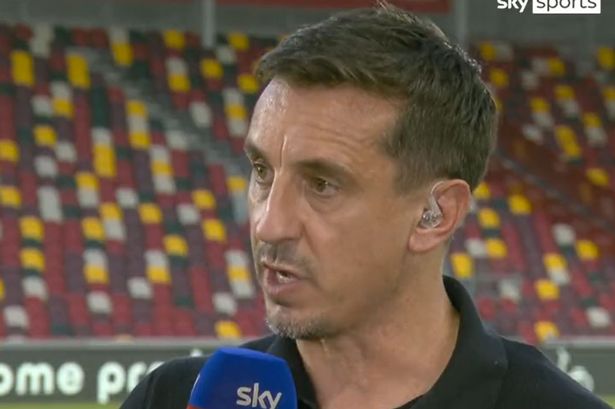
Does Gary Neville want a state-backed Manchester United?

Gary Neville’s impotent fury at Manchester United’s latest humiliation may be a delight to some (go on, that includes me), but it highlights once again his inconsistency when it comes to the role of big money in modern football.

In his rant at the affable Jamie Redknapp – who you felt was rather enjoying himself – Neville laid the blame for the club’s decade-long malaise at the hands of the Glazer family who own the club. He cheerfully (well, angrily) ignored the fact that under the same owners., Manchester United swept all before them under Sir Alex Ferguson. He hit the roof at the suggestion that the club had spent a huge amount of money on players. And it seems he would prefer a different kind of owner. “The only money that has been spent on players is the money the club has generated or that it’s borrowed. It does not come from the family. Let’s get this out of our heads that the Glazer family are putting money in like Roman Abramovich did, like the Saudi Arabians are doing at Newcastle, like Sheik Mansour has done at Manchester City…”

The italics here seem to illustrate what Neville regards as ‘good’ owners in modern football. Owners who spend their own cash – in each of these cases, pretty ill-gotten – to throw money at football clubs. He has no concern that Newcastle and Manchester City, like Chelsea under Abramovich, are sports-washing operations. All three have ploughed in gargantuan, unprecedented funding to football teams in order to boost reputations that could at very best be described as tarnished. Manchester City and Newcastle are run by arms of the United Arab Emirates and Saudi Arabia, states with a highly dubious human rights record. Abramovich is pretty much a gangster whose vast wealth originates from kleptocracy following the collapse of the USSR; he is close to the Russian state and a former Governor of Chukotka.

Sports washing works: whether this is exemplified by Abramovich’s name being sung at Chelsea games or City fans on Twitter defending the UAE as not as bad as some neighbouring states – or lauding their owners for putting money into local communities in Manchester. Its impact is also shown when Gary Neville – not for the first time – lauds the owners of all three clubs for ‘putting their hands in their pockets’, without any reference to how their pockets became so full.

It is a strange contradiction that the man who arguably led the fight against the breakaway European Super League and rightly called out the greed of all the clubs involved seems to want one of Britain’s great institutions, Manchester United, to be run by a state or a sugar daddy with a reputation to polish. Perhaps we should not be so surprised, as the money Neville and others have poured in to Salford City has certainly impacted competition lower down the football pyramid – though not on the enormous scale that Chelsea and Manchester City’s spending impacted the Premier League. But it is quite something to rail against rich clubs destroying vaunted competitions while simultaneously praising owners whose practices are openly anti-competitive.

The ownership model of Manchester United is certainly not a good one; it is built on debt and the owners often take money out of the club in dividends. But it is hard to see Neville’s logic in blaming the Glazers for the club’s lack of success. Over the last five years, they actually top the Premier League net transfer spend table – they have even outspent their City rivals in this period. They have spent more than twice as much as clubs like Liverpool and Tottenham and around double the amount spent by Chelsea.

Neville and others who want to blame the owners can’t say their club has not invested in players. They can criticise players who have been brought in, but those choices are not being made by the owners. They can point to other clubs’ owners putting their own money in, but that is not a model that any real football fan should welcome: the huge success of Manchester United in the past was built on money generated by the club from tickets sales, merchandising and so on. That is a sustainable and admirable sporting model – sports washing really isn’t.

Manchester United have recruited badly and will have problems shifting some inconsistent players on high wages – and in attracting top talent as their Champions League exile continues. Neville’s rage at their virtual collapse since the glory years he was involved in is palpable, but his diagnosis of the problem looks wide of the mark. and if anything, an easy, fan-pleasing target. The Glazers have simply taken the place of the previous scapegoat, former chief executive Ed Woodward.

Football is not the most important thing in the world. It can seem it to its most vociferous fans in certain deranged moments, but it really is not. We should not have football clubs owned by states or criminals and we should not celebrate off the scale transfer spending funded from questionable sources. Manchester United probably have the wrong owners, but it is ridiculous to blame them for the club’s recent demise (which is very likely to be temporary). While Neville was clearly emotional watching a team whose fans were once again claiming the renaissance would come this season get thrashed by Brentford, there is a gaping inconsistency in his campaign against the super league and his apparent wish for his club to have owners more like their neighbours. It is almost as gaping as the holes in his team’s defence.

Was 1977 the peak year for music?

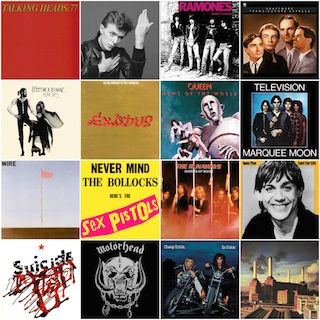
I recently took part in a Twitter poll to vote for the best 5 albums of 1977. (Quick plug: these polls are run fortnightly for different years by Richard Shaw – @RichardS7370 – and are both fun and sometimes educational). Beyond the explosion of punk – which felt like a defining moment even at the time – it had not previously occurred to me what a seminal year that was in the history of pop and rock music.

The choice was difficult not just because there so many great albums that year, but because they all came from different genres.

The punk of the Sex Pistols, the Clash, The Ramones and (to a degree) Talking Heads kicked against all that had gone before (while using many of its tropes and chords), punk poets Elvis Costello and Ian Dury also produced magnificent debuts.

At the same time, David Bowie was on fire. He alarmed his record company with the ground-breaking Low, followed in the same year by Heroes – neither of which were much like anything any famous pop star had produced previously. Bowie was also busy co-writing and producing Iggy Pop’s first two solo albums while they were holed up in Berlin fighting addiction. Lust For Life and The Idiot are two very striking albums, entirely distinct from each other – the first seen as proto-punk, the second resembling parts of Low. Kraftwerk – who had considerable influence on Bowie’s new electronic sound – were acclaimed for Trans-Europe Express. And Television’s Marquee Moon already sounded post-punk as punk was taking off.

‘Adult orientated rock’ – a term sometimes used derisively, masking some of the brilliance the genre produced – arguably peaked in 1977 with Fleetwood Mac’s timeless classic Rumours, while Billy Joel’s The Stranger won many admirers and Meatloaf’s astonishing Bat Out Of Hell was pure rock theatre. Peter Gabriel broke free from the shackles of Genesis with a stunning solo debut. In yet another genre, one of reggae’s greatest albums and Bob Marley’s finest, Exodus, also came out that year.

In the 21st century, we are used to a plethora of music genres, many of which emerged long after 1977. Many people now only hear the genre they like or close relatives of it. But in 1977, when most people relied on radio or the odd TV show for their fix of music, 77 feels with hindsight like the year the idea of competing genres really exploded. You could not get five more different albums than Never Mind The Bollocks, Rumours, Low, Exodus and Bat Out Of Hell – and while punks of that era may frown on it, it is possible to love all five. Each was seismic in its impact and legacy. Trying to choose between them is real apples and pears stuff – and when you bring in the other LPs listed above, the choice is near impossible. 1977 almost needs a categorised chart – best punk album, best electronic, best AOR, best rock, etc – Marley can probably walk the reggae category. Albums involving David Bowie could easily make up four of the top five in the general category.

I am not really saying that 1977 was the best year for popular music – I’m just wondering if it was the point at which it went in so many different directions that the move towards specialist radio stations and bespoke playlists became inevitable. It is hard to know how a Spotify algorithm would calculate a cohesive playlist from that year that didn’t jar with each radical change of direction. But for those of us with eclectic taste, it is just great to have too much to choose from.

I hesitate to include my top 5 as we are sure to part company there and I am going to annoy many of my punkier friends by leaving out The Clash’s remarkable debut and The Ramones’ Rocket To Russia – though both came very close to my podium. Choosing across genres is, as I say, near impossible. I went for Low first, then Rumours, Lust For Life, Heroes and Never Mind The Bollocks (definitely annoying the punks now, but look at what’s ahead of it and how well they have endured).

I am sure that on another day, I could come up with a different list to annoy different people. That’s the beauty of music, our tastes change depending on what day it is or what genre we fancy. In 1977, there were many to choose between – each of them producing all-time classics.